Get A Quote




Preventing Electrical Panel Corrosion from Melbourne Beach Salt Air
Proudly Serving Orlando, Brevard County and Indian River County.
schedule service today in minutes!
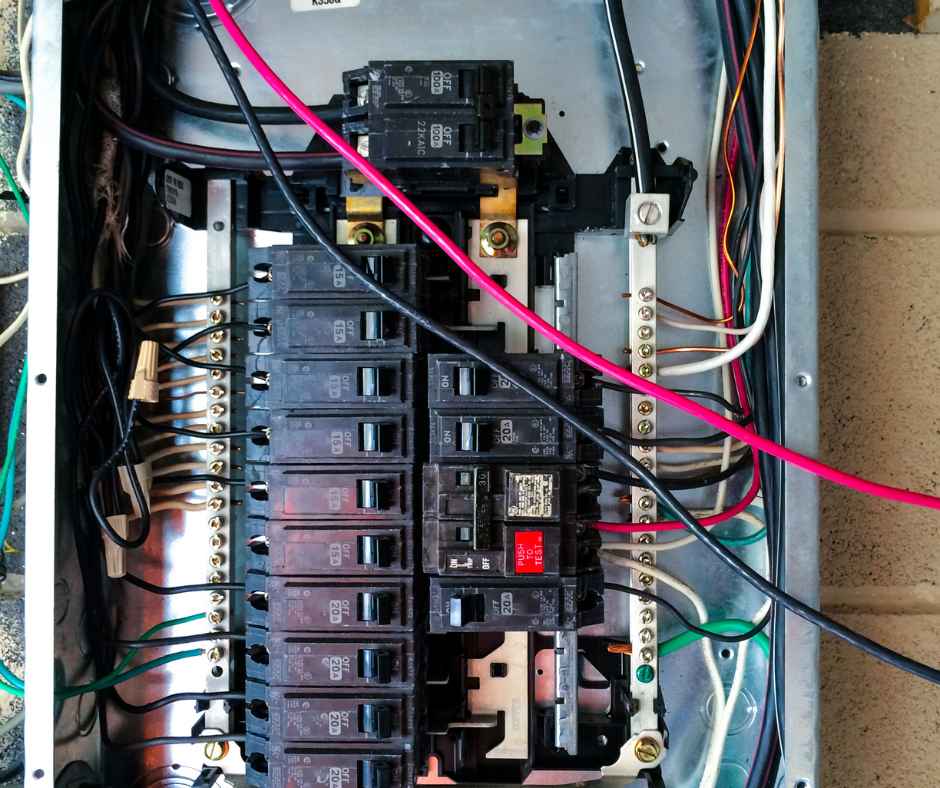
Melbourne Beach offers some of the most beautiful coastal views in Florida. The Atlantic breeze and the sound of the waves are why so many people choose to call Brevard County home. However, this idyllic setting comes with a hidden challenge that many homeowners overlook until it becomes an expensive problem. The same salt air that makes our beaches so pleasant is also a relentless enemy to your home’s infrastructure. For those living within a few miles of the ocean, salt air corrosion is a constant threat that targets the very heart of your home’s safety: the electrical panel.
At Mac 5 Services, we understand that coastal home maintenance requires a specialized approach. Standard electrical components are often not built to withstand the high salinity levels found in our local environment. Over time, salt particles accumulate on metal surfaces, triggering chemical reactions that lead to rust and degradation. This is not just an aesthetic issue. It can lead to power failures, fire hazards, and the need for a total system replacement. As your trusted Brevard County electrician, we want to help you understand how to protect your property from these unique environmental stressors.
The Science of Salt Air and Metal Oxidation
To effectively combat corrosion, it is helpful to understand the chemistry occurring inside your service panel. Salt air is more than just a scent. It carries microscopic droplets of ocean water containing sodium chloride. When these particles land on metal components, they attract moisture from the humid Florida air, forming a thin electrolyte layer. This layer acts as a highway for electrons, significantly accelerating the oxidation of metal.
In a typical inland environment, metal oxidizes slowly. However, chloride ions in salt air act as catalysts, speeding up this reaction. This process is particularly aggressive toward the copper and steel parts found in most electrical panels. As these metals oxidize, they lose their ability to conduct electricity efficiently. This creates high resistance in your circuits, which generates heat. If left unchecked, this heat can melt wire insulation or even cause an electrical arc. Understanding that saltwater corrosion is a chemical process highlights why standard cleaning is often insufficient for long-term protection in Melbourne Beach.
Identifying the Early Warning Signs of Corrosion
Early detection is the most effective way to prevent a total electrical failure. Because your electrical panel is usually tucked away in a garage or on an exterior wall, corrosion can progress for months before you notice a change in your home’s performance. Homeowners in Melbourne Beach should make it a habit to visually inspect their service equipment at least once a quarter. Identifying these red flags early can mean the difference between a simple cleaning and a costly panel replacement.
Keep an eye out for these specific indicators of salt air damage:
- Rust on the Enclosure: Any orange or brown flaking on the outside or inside of the metal box indicates that the protective finish has failed.
- Green Discoloration on Copper: Copper components, such as bus bars and wire ends, will develop a green crust, known as verdigris, when exposed to salt and moisture.
- Pitting Corrosion: If the metal surfaces appear to have small craters or a “bumpy” texture, the metal is being eaten away at the structural level.
- Flickering Lights: Corroded connections cause intermittent power flow, often manifesting as dimming or flickering lights without an obvious cause.
- Tripping Breakers: When corrosion increases resistance, the heat causes breakers to trip more frequently as they struggle to handle the electrical load.
- A Sluggish Response: If a breaker feels “crunchy” or difficult to flip, salt buildup has likely compromised the internal mechanical parts.
If you notice any of these signs, it is important to act quickly. Corrosion is a progressive condition that will not resolve on its own. Ignoring a rust spot on your panel today can lead to a complete power outage or a dangerous electrical fire during the next big storm.
Strategic Solutions: Protective Coatings and Enclosures
When living so close to the ocean, standard metal boxes are often insufficient. To truly protect your home, you need to implement measures that prevent salt particles from contacting sensitive components. There are several professional-grade solutions that Mac 5 Services can implement to harden your electrical system against the Florida climate. These range from high-tech chemical applications to structural changes that physically isolate your panel from the outside air.
Strategic preventative measures include:
- Anti-Corrosion Coatings: Technicians can apply specialized sprays that leave a thin, non-conductive film over the metal parts. These coatings repel moisture and block chloride ions from reaching the copper bus bars.
- NEMA 4X Enclosures: For exterior panels, upgrading to a NEMA 4X-rated box is highly recommended. These enclosures are typically made of stainless steel or high-density plastic and are designed specifically to resist corrosion and wind-blown dust.
- Weather-Rated Seals: Ensure the gaskets on your panel door are intact. A brittle or cracked seal allows salt air to seep into the cabinet every time the wind blows.
- Dielectric Grease: Applying this specialized grease to connection points can prevent oxidation at the most vulnerable spots where wires meet the breakers.
- Vapor Corrosion Inhibitors: These are small pouches or tablets placed inside the panel that release a protective vapor. This vapor coats all metal surfaces within the enclosure, providing a constant chemical shield.
Using marine-grade electrical parts is also a wise investment. These components are manufactured with alloys that are naturally more resistant to the electrochemical reactions triggered by salt. While these solutions may have a higher upfront cost, they significantly extend your system’s lifespan and reduce the frequency of emergency repairs.
The Importance of Regular Professional Inspections
For homeowners in Melbourne Beach, a yearly electrical safety evaluation is not a luxury but a necessity. While a visual DIY check is a great first step, many of the most dangerous corrosive effects happen where the naked eye cannot see. Salt air can penetrate deep into the breaker’s internal mechanisms and behind the panel’s backplane. Professional inspections allow Mac 5 Services to identify hidden points of failure before they cause a house-wide power outage or an electrical fire.
During a professional coastal maintenance visit, we use advanced tools and techniques to ensure your system is resilient:
- Thermal Imaging: We use infrared cameras to look for “hot spots” within your panel. High resistance caused by corrosion generates heat that is invisible to the eye but easily detected with thermal technology.
- Torque Testing: Corrosion can cause connections to loosen over time due to the expansion and contraction of oxidized metal. We ensure every lug and screw is tightened to the correct manufacturer specifications.
- Internal Component Review: We remove the “dead front” cover to inspect the bus bars and the back of the breakers for signs of greening or pitting that are hidden from view.
- Grounding System Audit: Salt air can also attack the grounding rods and clamps outside your home. If your grounding system fails, your home loses its primary defense against lightning and power surges.
Preventive maintenance is always more cost-effective than reactive repairs. By having a licensed Brevard County electrician evaluate your system once a year, you can address minor corrosion with a simple cleaning or a protective coating application. This proactive approach ensures your home remains powered safely through every storm season.
Upgrading to Coastal-Grade Electrical Panels
There comes a point at which cleaning and patching a standard electrical panel are no longer safe or cost-effective. If your service panel is more than twenty years old or has significant pitting corrosion, it is likely time to consider an upgrade. For homeowners in Melbourne Beach, a standard replacement may not be enough to prevent history from repeating itself. Instead, you should consider investing in a coastal-grade or marine-grade electrical panel designed to survive the high-salinity environment of the Florida coast.
Coastal-grade systems utilize materials and construction methods that far exceed the requirements of standard residential codes. These specialized upgrades often include:
- Stainless Steel Enclosures: Unlike powder-coated steel, high-grade stainless steel contains molybdenum, which specifically resists chloride-induced corrosion.
- Tin-Plated Aluminum Bus Bars: While copper is a great conductor, it is highly susceptible to the green verdigris that causes resistance. Tin-plated aluminum offers excellent conductivity with a chemical barrier that prevents oxidation.
- NEMA 4X Certification: This rating ensures that the enclosure is not only waterproof but also tested for resistance to corrosive agents, such as salt spray.
- Sealed Breaker Interfaces: Some coastal designs feature additional gaskets around the breaker handles to prevent air from entering the cabinet when the door is opened.
Choosing a coastal-grade upgrade is a long-term investment in your home’s safety and value. These systems often last two to three times longer than standard panels when installed in beachside locations. At Mac 5 Services, we specialize in identifying the right hardware for Brevard County’s unique climate, ensuring that your next panel is the last one you will need to buy for a very long time.
Keeping Your Home Powered Safely
Living in Melbourne Beach is a privilege that comes with specific responsibilities for property owners. While the salt air is a natural part of our beautiful coastal lifestyle, its effects on your electrical system are relentless. You cannot stop the Atlantic breeze from blowing, but you can certainly control how your home responds to it. By being proactive with visual checks, investing in protective coatings, and scheduling annual professional evaluations, you can ensure that your home remains a safe haven for your family.
At Mac 5 Services, we are dedicated to providing the specialized electrical care that Brevard County homeowners deserve. We have the local experience and the high-quality equipment necessary to protect your property from the unique challenges of our high-salinity environment. Whether you need a simple inspection or a complete upgrade to a coastal-grade panel, our team is ready to help.
Contact us today to secure your Melbourne Beach home protection and enjoy the peace of mind that comes with a reliable, professionally maintained electrical service.
Frequently Asked Questions
How far inland does salt air affect electrical panels?
While the most intense corrosion occurs within the first 3,000 feet of the shoreline, salt air can travel much further. In Florida, salt particles have been detected up to 10 miles inland during heavy wind events. If you live anywhere in Melbourne Beach or the surrounding coastal areas, your electrical system is likely at some level of risk.
Are indoor electrical panels safe from salt air corrosion?
Indoor panels are safer than those mounted on exterior walls, but they are not immune to damage. Humidity carries salt particles through open windows and your air conditioning system. Even if your indoor panel is located in a garage or laundry room with frequent air exchange, it can still experience significant oxidation over time.
Can I use a regular rust remover or WD-40 on my electrical panel?
You should never apply standard household lubricants or rust removers to an electrical panel. These products are often flammable and can cause a fire if they come into contact with an electrical arc. Furthermore, some sprays can degrade the plastic components inside your breakers. Always consult a professional for safe cleaning methods.
Does salt air affect my whole-home surge protectors?
Yes, salt air can corrode the connection points of your surge protection devices. If the connection to the ground is compromised by rust, the surge protector will not be able to divert excess voltage away from your electronics. Regular inspections ensure that these critical safety devices are actually functional when you need them.
Will my home insurance cover a panel failure caused by salt air?
Most insurance providers categorize salt air corrosion as “gradual deterioration” or a lack of maintenance rather than a sudden, accidental event. Because this damage is predictable in a coastal environment, it is rarely covered by standard policies. Investing in preventative care is almost always more affordable than paying for a full replacement out of pocket.