Get A Quote




Why Your Brevard Home Stays Humid Even With the AC On: Solutions for Year-Round Comfort
Proudly Serving Orlando, Brevard County and Indian River County.
schedule service today in minutes!
Living in Brevard County means dealing with warm temperatures, coastal moisture, and high humidity throughout much of the year. While your air conditioner keeps indoor temperatures comfortable, your home may still feel sticky, damp, or unusually humid even when the AC is running.
This can be frustrating, especially when your thermostat displays a comfortable temperature but the air inside your home doesn’t feel quite right. Excess indoor humidity can affect comfort, contribute to musty odors, and create conditions that encourage mold growth.
In this guide, we’ll explain why high indoor humidity is common in Brevard County, FL, how your air conditioner removes moisture, and what homeowners can do to improve humidity control for year-round comfort.
Why Indoor Humidity Is a Common Problem in Brevard County
Brevard County’s location along Florida’s Space Coast creates conditions where moisture is consistently present in the outdoor air. Warm temperatures, frequent rainfall, and proximity to the Atlantic Ocean make controlling indoor humidity challenging year-round.
Outdoor humidity can enter your home through gaps around windows, doors, and other openings. Moisture can also enter through poorly sealed ductwork, especially when ducts run through unconditioned spaces like attics.
Everyday household activities add additional moisture to the indoor environment. Cooking, showering, doing laundry, and even breathing contribute water vapor to the air.
Several factors can make indoor humidity problems worse:
-
Coastal weather: Moist outdoor air can enter through leaks and openings.
-
Frequent rainfall: Wet conditions can increase moisture exposure around the home.
-
Household activities: Showers, cooking, and laundry release water vapor.
-
Poor ventilation: Inadequate exhaust ventilation can let moisture build up.
-
Air leakage: Gaps in the building envelope or ductwork can let humid air in.
Managing humidity requires more than simply lowering the indoor temperature. Your home needs an effective combination of cooling, moisture removal, and control over unwanted moisture entering the living space.
How Your Air Conditioner Is Supposed to Remove Humidity
Your air conditioner does more than cool indoor air. During normal operation, it also removes some moisture through condensation.
As warm indoor air passes over the cold evaporator coil, the air temperature drops. When the coil surface is below the air’s dew point, moisture condenses into water droplets that collect in a drain pan and flow through the condensate drainage system.
This process helps reduce indoor humidity while your AC cools the home. However, the amount of moisture removed depends on equipment operation, airflow, indoor conditions, and how long the cooling system runs.
During milder but humid weather, your air conditioner may not operate long enough to remove sufficient moisture. The thermostat may reach its selected temperature even though the indoor air still contains more water vapor than is comfortable.
This is one reason homeowners sometimes experience a humid house despite having an air conditioner that appears to cool properly.
An Oversized AC System May Be Cooling Your Home Too Quickly
One possible reason your AC isn’t removing enough humidity is improper equipment sizing. An air conditioner that’s too large for your home’s cooling needs may lower the indoor temperature quickly without running long enough to remove moisture effectively.
This condition often involves short cycling, where the system repeatedly starts and stops after brief operating periods. Although the thermostat may reach the desired temperature, the equipment may not remove enough moisture to maintain comfortable indoor conditions.
Common signs of potential sizing or cycling problems include:
-
Short cooling cycles: The AC turns on and off frequently instead of operating for longer, steady periods.
-
Clammy indoor air: Rooms feel damp even when temperatures are comfortable.
-
Uneven temperatures: Some areas cool quickly while others remain uncomfortable.
-
Frequent thermostat adjustments: You have to lower the temperature to feel comfortable.
Thermostat issues, airflow restrictions, or mechanical problems can also cause short cycling. A professional HVAC evaluation can help determine whether equipment sizing or another condition is responsible.
Proper AC sizing matters in Brevard County, where moisture control is key to maintaining indoor comfort.
Restricted Airflow or AC Maintenance Problems Can Affect Humidity Control
Even a properly sized air conditioner may struggle to control humidity when maintenance problems affect its operation. Dirty filters, coil contamination, drainage issues, and other mechanical problems can disrupt normal cooling and moisture removal.
Airflow matters because your AC relies on consistent air circulation to transfer heat and remove moisture. Restricted airflow can reduce performance and, in some cases, cause the evaporator coil to freeze.
Common maintenance concerns include:
-
Dirty air filters: Clogged filters can restrict airflow and reduce system performance.
-
Contaminated evaporator coils: Dirt buildup can interfere with heat transfer.
-
Blocked condensate drains: Drainage restrictions can cause water to accumulate or overflow.
-
Incorrect refrigerant charge: Refrigerant problems can affect cooling and dehumidification.
-
Improper blower operation: Airflow settings or mechanical problems may affect moisture removal.
Humidity problems don’t always indicate a major AC failure. Sometimes routine maintenance or adjustments can improve performance without requiring equipment replacement.
Regular Brevard County AC maintenance lets a technician evaluate system operation and identify conditions that may contribute to excess indoor moisture.
Air Leaks and Household Moisture Can Make Humidity Worse
Your air conditioner may be working properly while humid outdoor air continues entering your home. When moisture enters faster than your cooling system can remove it, indoor humidity can stay elevated even with regular AC operation.
Air leaks around windows, doors, attic penetrations, and ductwork commonly let outdoor moisture in. In Brevard County’s humid climate, these openings can create ongoing indoor comfort challenges.
Household activities can also introduce significant moisture, particularly when bathrooms, kitchens, and laundry areas lack effective ventilation.
Homeowners can help reduce unnecessary moisture by:
-
Sealing air leaks: Address gaps around doors, windows, and accessible building penetrations.
-
Checking ductwork: Inspect and repair damaged or disconnected ducts.
-
Using bathroom exhaust fans: Run fans during showers and afterward to remove moisture.
-
Operating kitchen ventilation: Use appropriate exhaust ventilation when cooking.
-
Addressing plumbing leaks: Repair leaking fixtures or pipes that contribute moisture.
-
Keep windows closed during humid weather: Avoid bringing in extra outdoor humidity when the AC is running.
Ventilation improvements should suit Florida’s climate. Bringing in too much humid outdoor air without proper conditioning can worsen moisture problems.
Signs Your Home Has Too Much Indoor Humidity
High indoor humidity isn’t always obvious, especially when your air conditioner keeps the temperature relatively cool. However, several signs can indicate that moisture levels are higher than they should be.
One common symptom is a persistent sticky or clammy feeling indoors. You may also notice condensation on windows, musty odors, or dampness in areas with limited airflow.
Other warning signs include:
-
Condensation: Moisture regularly collects on windows or other cool surfaces.
-
Musty smells: Persistent odors may indicate excess moisture or hidden microbial growth.
-
Visible mold: Mold growth can develop when moisture remains present.
-
Damp materials: Carpets, fabrics, or other surfaces may feel unusually moist.
-
Persistent discomfort: The home feels humid despite a comfortable thermostat setting.
For many homes, an indoor relative humidity level around 30% to 50% is a useful target for comfort and moisture management. In Florida’s humid climate, keeping humidity consistently below 60% is especially important to limit conditions that support mold growth.
A digital hygrometer can help you monitor indoor humidity levels throughout the day. Tracking these readings alongside thermostat settings can provide useful information when discussing comfort concerns with an HVAC professional.
Practical Solutions for Better Year-Round Humidity Control
Improving humidity control starts with identifying why moisture accumulates in your home. The most effective solution depends on whether the problem involves AC performance, air leakage, household moisture, or a combination of factors.
For some Brevard County homeowners, routine maintenance and simple habit changes may be enough to improve comfort. Other homes may benefit from equipment adjustments or dedicated dehumidification.
Potential solutions include:
-
Schedule professional AC maintenance: Have your system inspected for airflow restrictions, coil problems, and operating concerns.
-
Confirm proper equipment sizing: An HVAC technician can evaluate whether your cooling system matches your home’s requirements.
-
Improve air sealing: Reducing unwanted outdoor air infiltration can limit moisture entering the home.
-
Use appropriate ventilation: Exhaust moisture from bathrooms and kitchens without introducing unnecessary humid outdoor air.
-
Monitor indoor humidity: Track moisture levels to identify patterns and determine whether improvements are working.
-
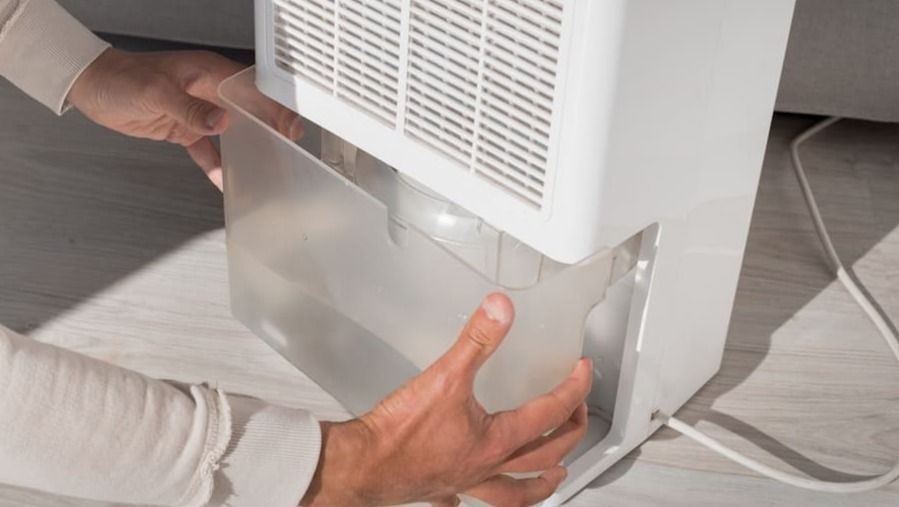
Consider a whole-home dehumidifier: Dedicated equipment can remove moisture independently of normal cooling demand.
Whole-home dehumidifiers can be especially helpful when indoor humidity stays elevated during periods of limited air conditioning. These systems remove excess moisture without requiring homeowners to lower the thermostat to achieve a more comfortable indoor environment.
However, a dehumidifier shouldn’t automatically be the first solution. A professional assessment can help determine whether the underlying problem involves equipment performance, moisture intrusion, or insufficient dehumidification capacity.
Improve Indoor Comfort With Mac 5 Services
Living in Brevard County means dealing with humidity throughout much of the year, but your home shouldn’t feel consistently damp or uncomfortable when the air conditioner is operating. Understanding how cooling systems remove moisture and recognizing potential humidity problems can help you improve indoor comfort.
From oversized equipment and restricted airflow to air leaks and everyday moisture sources, several factors can contribute to high indoor humidity. Identifying the underlying cause is essential for choosing an effective long-term solution.
At Mac 5 Services, we understand the challenges Florida’s coastal climate creates for residential cooling systems. Our team can evaluate AC performance, identify maintenance concerns, and help homeowners explore solutions for improving temperature and humidity control.
Whether your AC isn’t removing enough moisture, your home still feels uncomfortable despite regular cooling, or you’re interested in whole-home dehumidification, professional guidance can help you decide your next steps. Contact Mac 5 Services today to schedule AC maintenance or repairs and enjoy more consistent comfort year-round.