Get A Quote



Lightning Strikes Too Close? What Coastal Cocoa Beach Homes Need for Electrical Surge Protection
Proudly Serving Orlando, Brevard County and Indian River County.
schedule service today in minutes!
Living along Florida’s Space Coast means enjoying ocean views, warm weather, and beautiful coastal communities. However, homeowners in Cocoa Beach also face frequent thunderstorms that can bring dangerous lightning strikes and unexpected electrical problems. Even when lightning doesn’t strike your property directly, nearby activity can create power surges that can damage appliances, electronics, and electrical equipment.
For homeowners throughout Cocoa Beach, Cape Canaveral, and surrounding Brevard County communities, protecting electrical systems should be part of preparing for Florida’s unpredictable weather. Whole-home surge protection can help reduce damage from many electrical disturbances, but understanding how these systems work is essential.
In this guide, we’ll explain how nearby lightning strikes can affect your Cocoa Beach home, why whole-home surge protection matters, and what steps you can take to protect your electrical equipment before the next thunderstorm.
Can Nearby Lightning Strikes Damage Your Home’s Electrical System?
Lightning doesn’t need to strike your house directly to create electrical problems. A nearby strike can produce a sudden voltage surge that travels through connected electrical infrastructure or affects surrounding conductive systems.
These brief voltage spikes can reach electrical equipment inside your home and damage sensitive components.
Although many homeowners associate power surges exclusively with lightning, electrical disturbances can also result from utility switching, equipment operation, and other electrical events.
Common pathways for electrical surges include:
-
Overhead power lines: Nearby lightning activity can introduce voltage spikes into connected electrical infrastructure.
-
Underground electrical service: Buried utility connections aren’t completely immune to lightning-related electrical disturbances.
-
Cable connections: Surges may travel through connected television or communication wiring.
-
Internet equipment: Network devices can be vulnerable when connected to affected electrical or communication systems.
-
Other conductive pathways: Electrical disturbances may affect equipment through additional connected systems.
A sudden surge can damage electronic control boards, power supplies, and other sensitive components.
In some cases, the damage is immediately noticeable because equipment stops working. Other electrical problems may require professional evaluation to determine their cause.
Why Should Cocoa Beach Homeowners Consider Surge Protection?
Cocoa Beach homeowners experience weather conditions that make electrical protection an important consideration year-round.
Florida’s frequent thunderstorms create opportunities for nearby lightning strikes, particularly during the warmer months. However, lightning-related electrical disturbances aren’t limited to hurricane season or major tropical storms.
Ordinary afternoon thunderstorms can also produce dangerous lightning.
Coastal properties face additional maintenance considerations because humidity and salt-laden air can corrode susceptible outdoor electrical equipment.
Although salt air doesn’t directly cause lightning surges, deteriorating electrical components may create separate reliability and safety concerns.
Homes throughout Cocoa Beach, Cape Canaveral, Satellite Beach, and Merritt Island may contain outdoor electrical equipment exposed to these coastal conditions.
Regular electrical evaluations can help identify deterioration, while surge protection can help protect against certain transient voltage disturbances.
For Space Coast homeowners, both considerations help maintain a dependable electrical system.
What Is Whole-Home Surge Protection, and How Does It Work?
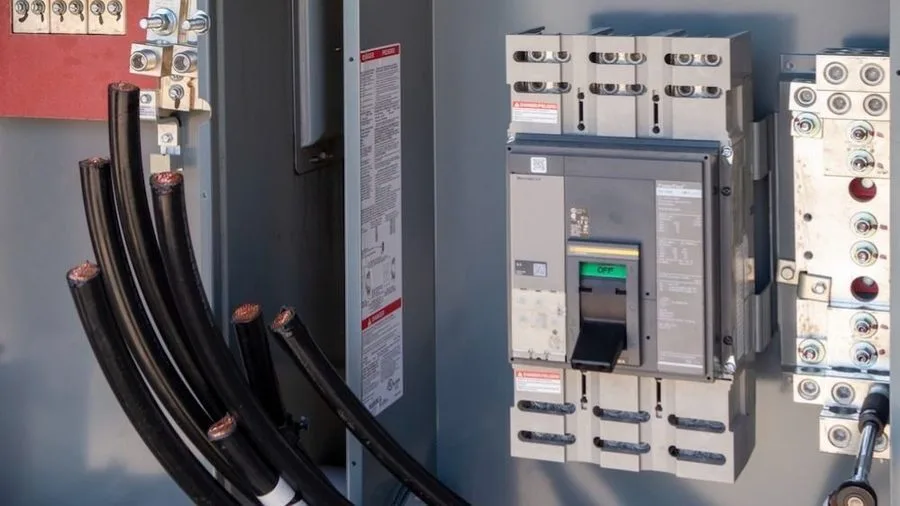
Whole-home surge protection involves installing a specialized electrical device that limits transient voltage spikes entering or traveling through a home’s electrical distribution system.
These devices are commonly called surge protective devices, or SPDs.
A whole-home surge protector is typically installed at or near the electrical service equipment, depending on the device type and electrical system configuration.
When a transient overvoltage occurs, the device helps limit the voltage reaching connected equipment by directing surge current through appropriately designed electrical pathways.
Important features of whole-home surge protection include:
-
Service-level protection: Helps limit many voltage spikes affecting the home’s electrical distribution system.
-
Electrical panel integration: Certain devices are installed at or near the main electrical panel.
-
Surge current management: Properly rated equipment helps divert transient surge current.
-
Grounding and bonding compatibility: Correct installation depends on the home’s electrical system.
-
Equipment protection: Helps reduce the risk of certain electrical disturbances damaging connected devices.
-
Status indicators: Some surge protectors include indicators showing whether protection remains operational.
Whole-home surge protection can reduce damage from many lightning-related surges, but it cannot guarantee complete protection against every electrical event.
A direct lightning strike may produce forces beyond what a typical residential surge protector can safely manage.
Dedicated lightning protection systems serve a different purpose and may be appropriate for properties requiring additional direct-strike protection.
Is a Power Strip Enough to Protect Your Electronics?
Many homeowners assume that plugging electronics into a power strip provides adequate surge protection. However, ordinary power strips and surge protectors aren’t the same.
A basic power strip simply provides additional electrical outlets. Unless it specifically includes surge protection, it may offer no meaningful defense against voltage spikes. Point-of-use surge protectors are designed to help protect equipment connected directly to them.
These devices can be useful for computers, televisions, entertainment systems, and other sensitive electronics. However, relying exclusively on plug-in protectors may leave other household equipment without dedicated surge protection.
A layered approach combines whole-home protection with appropriate point-of-use devices. For example, a whole-home surge protector can help limit surges affecting the electrical distribution system, while a properly rated plug-in protector provides additional protection for connected electronics.
Some equipment may also need protection on communication or data connections. For Cocoa Beach homeowners with multiple electronic systems, layered protection can provide a more comprehensive approach than relying on power strips alone.
Which Appliances and Systems Need Surge Protection?
Modern homes contain numerous appliances and electronic devices that rely on sensitive electrical components.
Even equipment that appears primarily mechanical may contain circuit boards, sensors, and digital controls that can be affected by electrical disturbances.
Household equipment that may benefit from surge protection includes:
-
Air conditioning systems: Electronic controls and other components may be vulnerable to electrical surges.
-
Refrigerators and freezers: Modern appliances often contain electronic control systems.
-
Televisions and entertainment equipment: Sensitive electronics can be affected by sudden voltage spikes.
-
Computers and networking devices: Routers, modems, and computers may require additional protection.
-
Smart home equipment: Thermostats, security systems, and connected devices contain electronic components.
-
Laundry appliances: Modern washers and dryers frequently use electronic controls.
-
Garage door openers: Circuit boards and other components may be susceptible to surge damage.
Air conditioning equipment deserves particular attention in Cocoa Beach because cooling systems are important for maintaining comfort during Florida’s hot, humid weather.
A surge-related failure affecting an air conditioner’s electrical components could leave homeowners without cooling until repairs are completed.
Properly selected surge protection can help reduce certain risks, although no device can prevent every equipment failure.
What Are the Warning Signs of Electrical Surge Damage?
Electrical surge damage isn’t always obvious immediately after a thunderstorm.
Sometimes, an appliance stops working altogether. In other situations, homeowners may notice unusual electrical behavior that requires further investigation.
Potential warning signs include:
-
Electronics that suddenly stop working after a storm.
-
Appliances that no longer power on.
-
Circuit breakers that trip unexpectedly.
-
Unusual behavior from electronic controls.
-
Damaged plugs or outlets.
-
Burning odors near electrical equipment.
-
Visible damage to surge protective devices.
-
Equipment that repeatedly shuts down or malfunctions.
These symptoms don’t automatically confirm lightning-related damage. Faulty appliances, wiring problems, and other electrical issues can cause similar problems.
However, electrical problems that begin immediately after a nearby lightning strike deserve attention.
If you notice smoke, burning odors, visible electrical damage, or signs of overheating, avoid using the affected equipment and contact a qualified electrician.
Homeowners should never remove electrical panel covers or attempt to inspect damaged internal wiring themselves.
How Can You Protect Your Cocoa Beach Home Before the Next Storm?
Preparing your electrical system before severe weather arrives is one of the most practical ways to reduce avoidable electrical risks.
Whole-home surge protection is an important consideration, but it works best as part of a broader electrical safety approach.
Steps Cocoa Beach homeowners can take include:
-
Consider whole-home surge protection. Ask a qualified electrician whether a service-level surge protective device is appropriate for your home.
-
Protect sensitive electronics. Use properly rated point-of-use surge protectors for computers, televisions, and other equipment.
-
Evaluate grounding and bonding. Have a professional assess whether your electrical system meets applicable requirements.
-
Check surge protector indicators. Follow manufacturer instructions to determine whether accessible devices remain operational.
-
Inspect outdoor electrical equipment. Arrange professional evaluation when coastal corrosion or visible deterioration is suspected.
-
Disconnect nonessential devices before storms. When practical, unplug sensitive equipment well before lightning approaches.
-
Schedule service after suspected damage. Have an electrician evaluate unusual electrical behavior following a significant surge.
Never unplug equipment or handle connected electrical devices during an active thunderstorm. Lightning-related electrical hazards can travel through connected wiring and equipment.
Professional installation is also essential for whole-home surge protection.
An electrician can evaluate your electrical panel, grounding and bonding system, and available installation options before recommending an appropriately rated device.
Type 1 and Type 2 surge protective devices are commonly used in residential electrical applications, but the correct selection depends on the installation location and electrical system.
Protect Your Space Coast Home With Mac 5 Services
Florida thunderstorms can create electrical risks even when lightning doesn’t strike your home directly. For Cocoa Beach homeowners, whole-home surge protection offers a practical way to reduce the risk of certain voltage spikes damaging appliances, electronics, and other connected equipment.
Mac 5 Services helps homeowners throughout Cocoa Beach, Brevard County, Indian River County, and Central Florida address residential electrical concerns. From evaluating electrical panels to discussing surge protection options, professional guidance can help you make informed decisions about protecting your home’s electrical system.
If you’re concerned about lightning-related power surges or want to explore whole-home surge protection, contact Mac 5 Services today. Our team can help evaluate your electrical needs, explain available protection options, and help you prepare your coastal home for Florida’s unpredictable storm season.