Offering Flexible Financing Options



Best HVAC Systems for High-Humidity Central Florida Climates
Proudly Serving Orlando, Brevard County and Indian River County.
schedule service today in minutes!
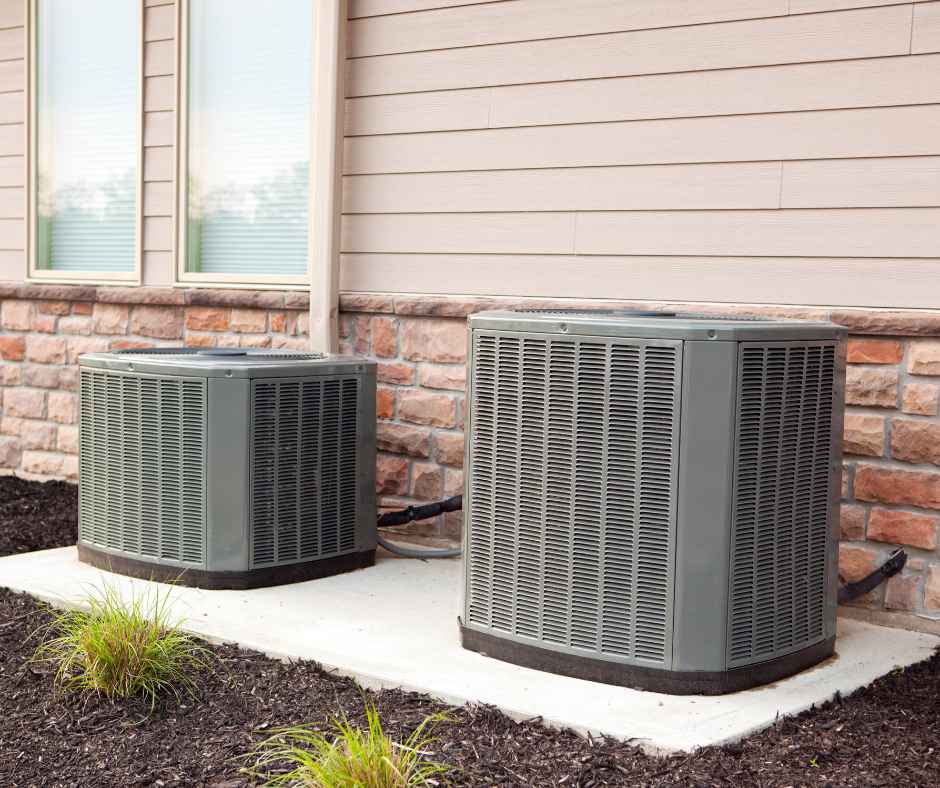
In Central Florida, humidity is not just a weather report: it is a way of life. For residents in Orlando, Melbourne, and Palm Bay, the air often feels like a warm, wet blanket that never quite goes away. While standard air conditioners can keep a room cool, they often struggle to remove the immense amount of moisture that characterizes our “swamp” climate. When your home feels cool but clammy, it is a sign that your HVAC system is failing to manage the humidity effectively.
In this blog, we will explore the best HVAC options for managing Florida’s intense humidity and high temperatures. By selecting a system built for the tropics, you can lower your energy bills, protect your home from mold, and finally enjoy the crisp, dry air you deserve.
Variable-Speed Technology: The Humidity Hero
When it comes to fighting Florida’s relentless humidity, variable speed technology is the undisputed champion. Traditional air conditioners operate much like a light switch: they are either 100 percent on or 100 percent off. These older systems often blast your home with cold air and then shut down quickly before they can remove the moisture from the room. A variable speed system, often called an inverter system, works more like a dimmer switch. It can adjust its output to run at lower speeds for longer durations. This constant, gentle airflow is exactly what is needed to effectively strip humidity from the air.
Because these units run longer at lower power levels, they keep the air moving through the cold evaporator coils continuously. This process allows the moisture to condense and drain away rather than staying suspended in your living room. Even the most advanced variable speed unit requires expert AC maintenance to keep the sensitive electronic sensors and inverter boards clean. If you are looking for the ultimate in Florida comfort, consider these benefits of variable speed technology:
- Superior Moisture Removal: Running longer cycles at lower speeds allows the system to remove significantly more water from the air than a standard unit.
- Consistent Temperatures: Eliminating the “swing” between freezing cold and uncomfortably warm that is common with single-stage systems.
- Whisper Quiet Operation: Reducing the loud “thud” and roar of the compressor because the system usually runs at a fraction of its total power.
- Lower Energy Consumption: Saving money on monthly utility bills by avoiding the high-energy “startup” phase that occurs dozens of times a day with older units.
- Reduced Wear and Tear: Limiting the physical stress on the motor and compressor by avoiding constant on-and-off cycling.
- Enhanced Air Filtration: Moving air through your filters more consistently, which leads to fewer allergens and dust particles in your home.
- Smart Home Integration: Communicating with advanced thermostats to prioritize humidity levels over simple temperature readings.
By keeping the system in a low-power “cruise control” mode, variable speed HVAC units turn your home into a dry sanctuary. In Central Florida, where the humidity can reach 90 percent before breakfast, this technology is the best way to stay truly comfortable.
SEER2 Ratings and Florida Energy Efficiency
When you begin shopping for a new air conditioner in Florida, you will immediately encounter the term SEER2. This stands for Seasonal Energy Efficiency Ratio 2, and it is the new gold standard for measuring how much cooling you get for every dollar spent on electricity. In 2026, Florida law requires that all new residential split-system air conditioners meet a minimum SEER rating of 14.3. This updated standard replaced the older SEER system to better reflect real-world conditions, such as the resistance found in your home’s ductwork.
For Central Florida residents, simply meeting the minimum requirement is rarely the best financial decision. Because our cooling season lasts nearly ten months, a higher SEER2 rating provides a much faster return on investment. Even the most efficient system in the world will lose its edge without regular AC maintenance to keep the coils clean and the airflow unobstructed. When you invest in a higher-efficiency system, you are buying better technology specifically engineered to handle the thermal load of a tropical climate. To understand why these ratings are so important in our region, consider these key facts:
- Stricter Testing Protocols: Recognizing that SEER2 ratings are based on higher static pressure tests that more accurately simulate the airflow in a typical Florida home.
- Lower Operating Costs: Reducing your monthly utility bills by 20 to 40 percent when upgrading from an older 10 SEER or 12 SEER unit.
- Tax Credit Eligibility: Qualifying for federal incentives of up to 600 dollars for high-efficiency air conditioners or 2,000 dollars for heat pumps.
- Environmental Impact: Utilizing modern refrigerants like R-454B that have a much lower global warming potential than older chemicals.
- Better Humidity Handling: Pairing high SEER2 ratings with advanced blower motors that can slow down to pull more moisture from the air.
- Increased Property Value: Providing a documented history of high-efficiency upgrades that make your home more attractive to future buyers.
- Extended Equipment Life: Reducing the total runtime required to cool your home, which puts less strain on the compressor and fan motors.
Choosing a system with a SEER2 rating between 16 and 18 is often the “sweet spot” for Orlando area homeowners. It provides a perfect balance between the upfront equipment cost and the long-term savings on your electric bill.
Two-Stage Systems: A Balanced Approach
If a variable-speed system is out of your budget, a two-stage HVAC unit offers an excellent middle ground for Central Florida homes. Unlike single-stage units that have only “high” and “off,” a two-stage system features a compressor that can operate at two distinct capacity levels. Typically, the first stage runs at about 65-70 percent of the unit’s total cooling power. In the mild mornings and evenings of the Florida spring and fall, the system stays in this lower stage. This allows for longer, more consistent run times that do a much better job of removing moisture than a single-stage blast.
When the Central Florida sun hits its peak in the afternoon, the system automatically shifts into the second, high-power stage to keep up with the heat. This “staging” process is a core part of modern AC maintenance and diagnostics, as technicians must ensure the system is transitioning between stages correctly. For many homeowners in Melbourne and Palm Bay, this technology provides the perfect balance of comfort and value. Consider these advantages of choosing a two-stage configuration:
- Improved Dehumidification: Staying in the lower stage for longer periods keeps the evaporator coil cold and continues pulling water from the air.
- Energy Savings: Running at 65 percent capacity for most of the day uses significantly less electricity than a system that constantly starts and stops at full power.
- Stable Indoor Humidity: Preventing the “clammy” feeling that occurs when a system cools the air too quickly without removing the dampness.
- Fewer Cycles: Reducing the number of times the system turns on and off, which is the most taxing part of an air conditioner’s operation.
- Enhanced Comfort: Eliminating the hot and cold spots in larger homes by keeping the air circulating more consistently.
- Affordability: Providing many of the comfort benefits of variable-speed technology at a price point closer to traditional single-stage units.
- Simple Maintenance: Utilizing well-understood mechanical components that are easy for experienced technicians to service and repair.
A two-stage system is a workhorse for the Florida climate. It gives you the power you need for a 98-degree July afternoon while maintaining the finesse required to keep your indoor humidity below 50 percent during the rest of the year.
Beyond Cooling: Whole-Home Dehumidification
In some Central Florida homes, even a high-efficiency air conditioner cannot keep up with the moisture levels. This is especially true during our “shoulder seasons” when it is 75 degrees outside with 90 percent humidity. During these times, your AC does not need to run very often to keep the house cool, so it is not running long enough to remove moisture. The solution is a whole-home dehumidifier. This device is integrated directly into your existing ductwork and works alongside your HVAC system to remove gallons of water from the air, regardless of whether the cooling is running.
Adding this layer of protection is a major upgrade for your indoor air quality and overall property health. During regular AC maintenance visits, our technicians check these units to ensure the drainage lines are clear and the humidistat is calibrated correctly. Investing in dedicated dehumidification offers several protective benefits:
- Mold and Mildew Prevention: Keeping indoor humidity below 50 percent to prevent mold growth on drywall, clothing, and furniture.
- Preserving Home Infrastructure: Protecting hardwood floors and musical instruments from warping due to excessive atmospheric moisture.
- Eliminating Musty Odors: Removing the “old house” smell caused by stagnant, damp air trapped in your ducts and carpets.
- Enhanced Skin Comfort: Allowing your body to cool itself naturally through evaporation, which makes 75 degrees feel much cooler than it would in a humid room.
- Lower Cooling Costs: Enabling you to set your thermostat a few degrees higher because dry air feels more comfortable than damp air.
- Dust Mite Control: Creating an environment that is too dry for dust mites to thrive, which is a major relief for allergy and asthma sufferers.
- Independent Operation: Managing your home’s moisture levels even on rainy days when the outdoor temperature is mild, and the AC is not needed.
A whole-home dehumidifier acts as a dedicated security guard against the Florida “swamp” effect. It ensures that your home stays crisp and dry every single day of the year.
Choosing the Right System with Mac 5 Services
Selecting the best HVAC system for your Central Florida home is a significant decision that affects your comfort and your wallet for the next decade. At Mac 5 Services, we do not believe in a one-size-fits-all approach. We perform detailed load calculations to ensure your new unit is sized perfectly for your square footage and insulation levels. A system that is too large will “short cycle” and leave your home humid, while a system that is too small will run forever and burn out prematurely.
Our team is dedicated to providing the residents of Orlando, Melbourne, and Palm Bay with honest advice and expert installations. Whether you choose a top-of-the-line variable-speed unit or a reliable two-stage system, we are here to ensure it is installed to the highest standards. We also offer comprehensive AC maintenance plans to protect your investment and keep your cooling costs as low as possible.
Don’t spend another summer feeling sticky and uncomfortable in your own home. Contact us today to schedule a consultation and experience the difference that a professional, humidity-focused HVAC installation can make.
FAQ: Florida HVAC and Humidity
What is the ideal humidity level for a Florida home?
Most experts recommend keeping your indoor relative humidity between 45 and 55 percent. This is the “sweet spot” that prevents mold growth while keeping your skin and respiratory system comfortable.
Why does my house feel humid even when the AC is set to 70 degrees?
This is often caused by an oversized AC unit. If the system is too powerful, it cools the room so quickly that it shuts off before the blower has a chance to move enough air across the cold coils to remove the moisture.
Can I add a dehumidifier to my existing AC system?
Yes. Whole-home dehumidifiers are designed to be “retrofitted” into most existing HVAC systems. They sit in your attic or crawlspace and use your current ductwork to distribute dry air.
Does a higher SEER2 rating mean better dehumidification?
Not necessarily. While high-SEER2 units often include variable-speed motors that help with moisture, the rating itself measures energy efficiency, not moisture-removal capacity.
How often should I change my filters in Florida during the summer?
In high-humidity climates, you should check your filters every 30 days. Damp air can cause dust to “clump” on the filter, restricting airflow and forcing your system to work harder.