Offering Flexible Financing Options



How to Ensure Your Home is Electrically Safe
Proudly Serving Orlando, Brevard County and Indian River County.
schedule service today in minutes!

Electricity is one of the most important components of a modern home, providing power to everything from lights to appliances to HVAC systems. While we often take it for granted, an unsafe electrical system can pose significant risks, including electrical fires, shocks, and costly damage to your home.
The good news? Keeping your home electrically safe doesn’t have to be complicated. With a little knowledge and regular maintenance, you can ensure your home’s electrical system is safe, efficient, and reliable. Here’s how you can protect your home and family from potential electrical hazards.
1. Schedule Regular Electrical Inspections
 One of the best ways to ensure your home’s electrical safety is by having a professional inspection. A licensed electrician can check for outdated wiring, overloaded circuits, and other potential hazards. If your home is older than 20 years or you’ve recently added new appliances, an inspection is especially important to ensure your system can handle the demand.
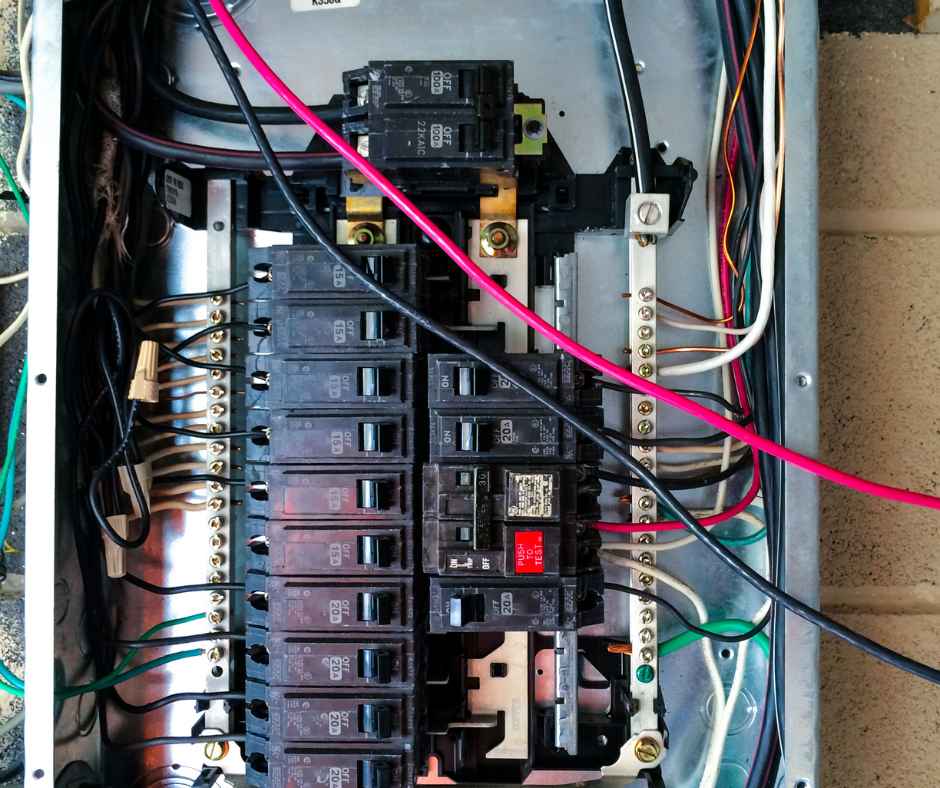
2. Check Your Electrical Panel
 Your electrical panel is the heart of your home’s electrical system. If your panel is outdated, overloaded, or malfunctioning, it can be a serious fire hazard. Signs of panel issues include:
- Frequent breaker trips
- A buzzing or sizzling sound coming from the panel
- Warm or discolored breakers
- A burning smell near the panel
If you notice any of these signs, it may be time for an upgrade. Modern electrical panels are designed to handle the energy demands of today’s homes safely.
3. Test Your GFCI Outlets
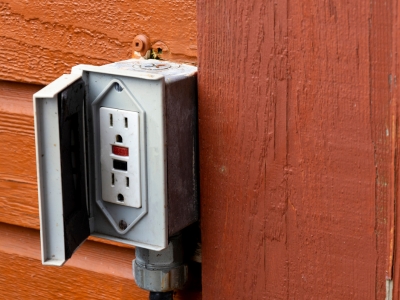 Ground Fault Circuit Interrupter (GFCI) outlets are designed to prevent electrical shocks by shutting off power when they detect a ground fault. These outlets are required in kitchens, bathrooms, garages, and outdoor areas where water exposure is common. To ensure they’re working properly, test your GFCI outlets every month by pressing the “test” button. If the power doesn’t cut off, the outlet may be faulty and should be replaced immediately.
4. Look for Signs of Faulty Wiring
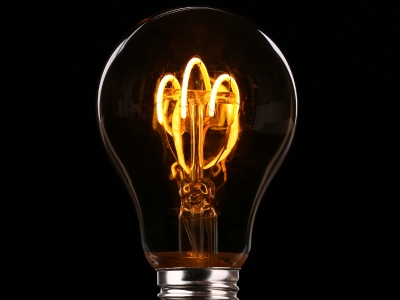 Faulty or aging wiring is one of the leading causes of electrical fires. Watch for these warning signs:
- Flickering or dimming lights
- Buzzing sounds from outlets or switches
- Outlets that feel warm to the touch
- A burning or fishy smell near outlets or switches
If you notice any of these signs, turn off power to the affected area and call an electrician immediately. Faulty wiring should never be ignored.
5. Avoid Overloading Circuits
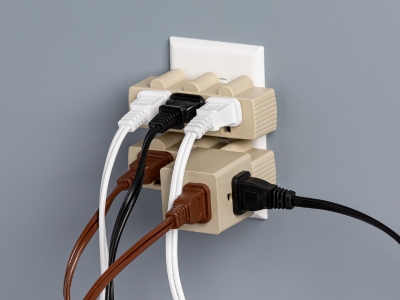 Plugging too many devices into a single outlet or circuit can cause overheating and increase the risk of electrical fires. To prevent overload:
- Use power strips with surge protection
- Spread out high-energy appliances across multiple circuits
- Avoid plugging multiple high-wattage appliances (such as space heaters or hairdryers) into the same outlet
If you frequently experience breaker trips due to overload, consider adding additional circuits to better distribute your home’s electrical load.
6. Keep Electrical Cords in Good Condition
Frayed, cracked, or damaged electrical cords can pose a serious safety hazard. Damaged cords can expose wires, leading to shocks, short circuits, or even fires. Regularly inspect cords for signs of wear and tear, and replace any that are damaged. Additionally:
- Never run cords under rugs or furniture, as this can cause them to overheat
- Avoid using extension cords as permanent wiring solutions
- Use cords that are properly rated for the devices you’re plugging in
7. Install Arc-Fault Circuit Interrupters (AFCIs)
Arc faults occur when electrical wiring is damaged or deteriorating, creating a dangerous heat buildup that can ignite fires. Arc-Fault Circuit Interrupters (AFCIs) are designed to detect and prevent these hazards by shutting off power when an arc fault is detected. Many newer homes are already equipped with AFCIs, but if you have an older home, consider upgrading your electrical panel to include them for added safety.
8. Keep Electrical Appliances in Safe Condition
Faulty appliances can be a source of electrical hazards. To keep your appliances safe:
- Regularly inspect them for frayed cords, loose plugs, or exposed wiring
- Unplug small appliances when they’re not in use
- Keep electrical devices away from water sources
- Follow the manufacturer’s instructions for proper use and maintenance
Additionally, older appliances that don’t meet modern safety standards may need to be replaced to ensure your home remains safe.
9. Be Cautious with DIY Electrical Work
 While it can be tempting to handle electrical repairs or installations on your own, improper wiring can lead to serious safety risks. If you’re not a licensed electrician, it’s best to leave major electrical work to the professionals. However, if you do attempt minor electrical tasks, always:
- Turn off the power at the breaker before working on anything electrical
- Use the correct tools and safety gear
- Follow all local electrical codes and regulations
For anything beyond basic tasks like changing a light bulb, hiring a professional is the safest option.
10. Tamper Resistant Outlets
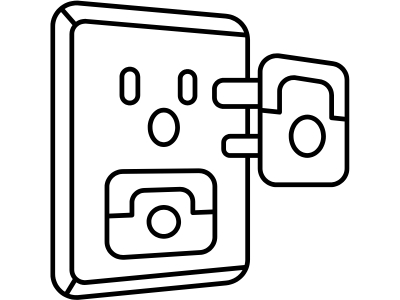 If you have young children, tamper resistant outlets are a must. Curious little fingers can easily find their way into outlets, leading to dangerous shocks. Use tamper-resistant outlet covers to prevent accidents and ensure that all exposed wiring is properly secured.
11. Stay Safe During Storms and Power Surges
Florida is known for its intense storms and frequent lightning strikes, which can lead to power surges. A sudden surge of electricity can damage appliances and pose a safety risk. To protect your home:
- Install whole-house surge protectors to prevent damage from lightning strikes
- Unplug sensitive electronics during storms
- Avoid using electrical devices in wet conditions
12. Know When to Call an Electrician
 Sometimes, the safest thing you can do is call in an expert. If you experience any of the following, it’s time to contact a professional electrician:
- Frequent power outages or flickering lights
- Burning smells or smoke coming from electrical components
- Shocks or tingling when touching appliances or outlets
- Exposed or frayed wiring
- Outlets that don’t work or constantly trip the breaker
Electrical problems should never be ignored. A professional electrician can diagnose and fix issues before they turn into major hazards.
Call Mac 5 for Expert Electrical Services!
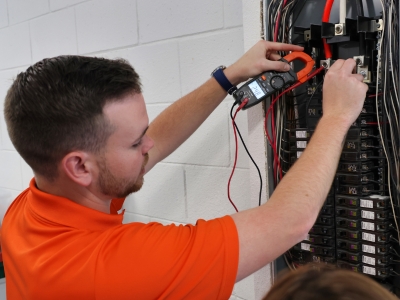 Keeping your home electrically safe is essential for the well-being of your family and property. If you notice any signs of electrical issues or simply want an expert to inspect your home’s wiring, Mac 5 is here to help! Our team of licensed electricians specializes in electrical inspections, panel upgrades, wiring repairs, and much more. Don’t wait until a small issue becomes a big problem. Call Mac 5 today and let us ensure your home is safe and up to code!