Offering Flexible Financing Options



How Your Home’s Drainage System Actually Works (And Why That Matters)
Proudly Serving Orlando, Brevard County and Indian River County.
schedule service today in minutes!
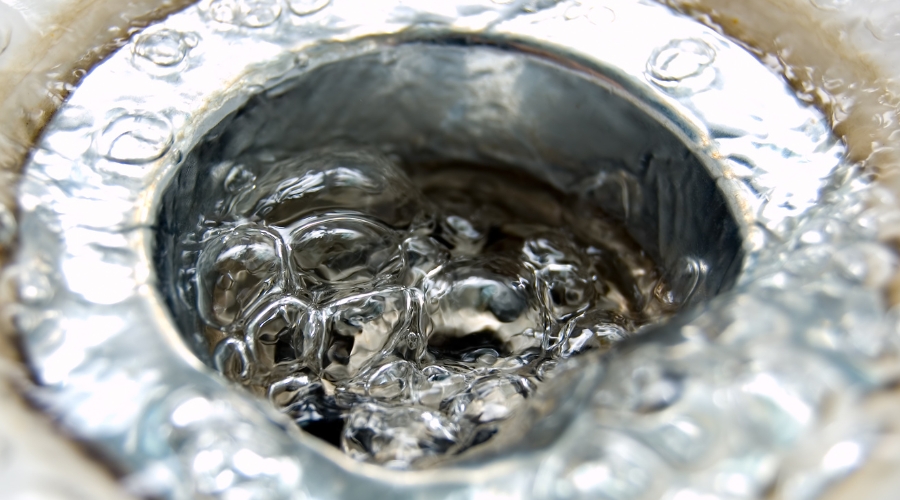
If you’ve ever wondered where the water goes after you flush the toilet, run the dishwasher, or take a shower, you’re not alone. Most homeowners don’t think twice about their drainage systems, until something goes wrong. But understanding how your home’s drainage system works can help you catch small issues before they turn into big, expensive problems.
In this post, we’re breaking down the basics of how your home’s drainage system functions, why it matters, and how Mac 5 Services can help keep things flowing smoothly.
What Is a Drainage System, Really?
At its core, your home’s drainage system is designed to remove wastewater safely and efficiently. It works hand-in-hand with your plumbing system, but it’s focused solely on getting used water out of your house, not bringing clean water in.
This system is made up of several key components:
- Drain pipes: These carry used water away from sinks, tubs, toilets, and appliances.
- Waste pipes: These connect to drain pipes and carry wastewater out of the home.
- Vent pipes: These allow air into the system to help wastewater flow freely and prevent sewer gases from entering your home.
- Traps (P-traps or S-traps): These U-shaped pipe sections hold water to block unpleasant sewer smells.
- Main sewer line: This large pipe connects your home’s drainage system to the municipal sewer or septic tank.
Each part plays a specific role, and when they all work together, everything you flush or drain disappears like magic.
How It All Works: A Room-by-Room Breakdown
Here’s how your drainage system operates in different parts of the home:
 Kitchen
 Kitchen
When you wash dishes or run the dishwasher, water flows through a network of pipes under the sink. A trap catches food particles and prevents sewer gas from backing up. If grease or food scraps build up here, it can cause slow draining or backups.
Bathroom
 Bathroom
In bathrooms, every fixture: sink, tub, shower, and toilet, connects to the drainage system. Each has its own trap to keep out smells and its own connection to a vertical drain pipe (also known as a “stack”) that leads to the main sewer line.
Toilets are a little different. They use gravity and siphon action to flush waste down directly, and since they use larger drain pipes, a clog here can affect other parts of the house.
Laundry Room
 Laundry Room
Washers discharge a high volume of water in a short time. That water travels quickly through the drain pipe and needs to be vented properly to prevent backups. If your laundry drain isn’t vented right, it can lead to unpleasant smells or even cause the washer to overflow.
The Importance of Venting and Gravity
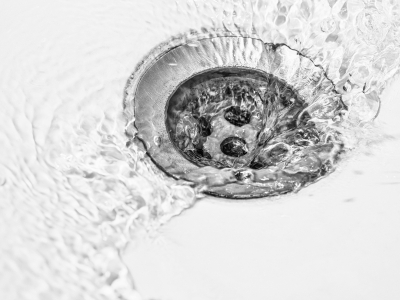
Your drainage system wouldn’t work without two key elements: gravity and ventilation.
- Gravity pulls wastewater downward, out of the house and into the main sewer line or septic system.
- Vent pipes allow air into the system, which keeps water flowing smoothly and maintains the right pressure inside your pipes.
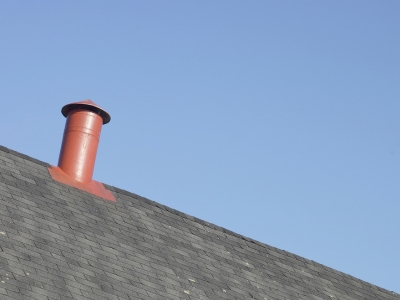 Without proper venting, water might drain slowly, or not at all. Worse, it could siphon water out of your traps, allowing sewer gases to enter your living space. This is why drain gurgling, foul odors, or water bubbling in the toilet when the sink drains are all signs that your system needs attention.
Why It Matters for You
It’s easy to take your drainage system for granted, until it stops working the way it should. Here are just a few reasons why understanding your system matters:
1. Small Issues Can Signal Big Problems
Slow drains, recurring clogs, or strange sounds can be signs of underlying problems like blocked vent pipes, aging plumbing, or root intrusion in your sewer line. These shouldn’t be ignored.
2. Drainage Problems Affect More Than Just Plumbing
 2. Drainage Problems Affect More Than Just Plumbing
A clogged or damaged drain system can lead to water damage, biological growth, or even foundational issues if a leak goes undetected. Plus, constant backups are unsanitary and stressful to deal with.
3. Maintenance Saves You Money
Routine inspections and early intervention are far more affordable than emergency repairs or complete pipe replacement. Knowing how your system works helps you know when to call in help.
Common Drainage System Problems
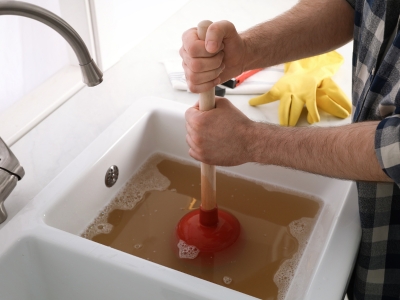 Here are some of the most common issues homeowners face:
- Clogged drains: Caused by hair, grease, food, or foreign objects.
- Tree root intrusion: Roots can break into underground pipes, causing major blockages.
- Pipe corrosion or collapse: Older pipes made of copper or PEX can corrode or crack.
- Improper venting: This causes gurgling sounds and slow drainage.
- Backups: Usually due to a clog in the main sewer line or a blocked trap.
If you’re experiencing recurring issues, don’t just rely on temporary fixes. A professional evaluation might reveal a deeper cause and save you from ongoing frustration.
How Mac 5 Services Can Help
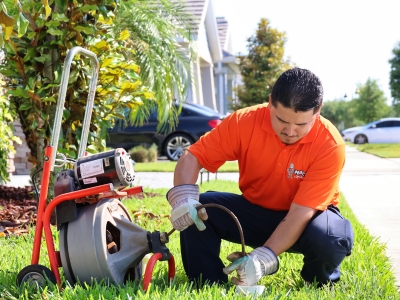 At Mac 5 Services, we specialize in diagnosing and fixing drainage problems before they turn into disasters.
Whether you’re dealing with:
- Slow sinks and tubs
- Gurgling drains
- Foul odors
- Sewer line backups
- Or just want peace of mind from a professional inspection
We’ve got the tools, experience, and know-how to get things running right again.
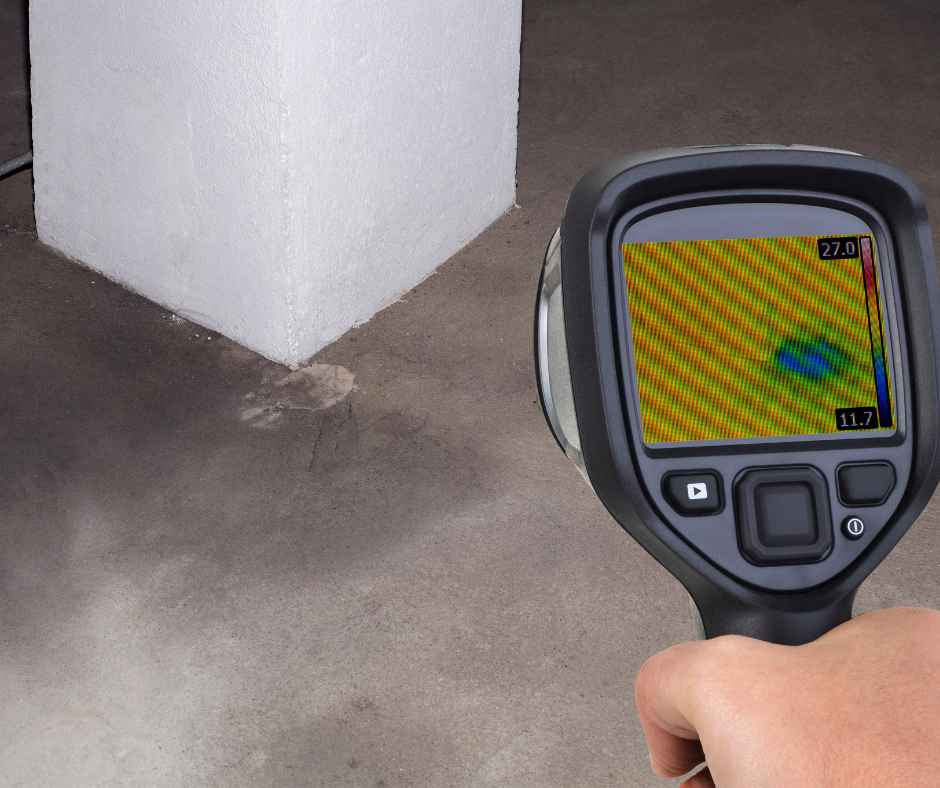
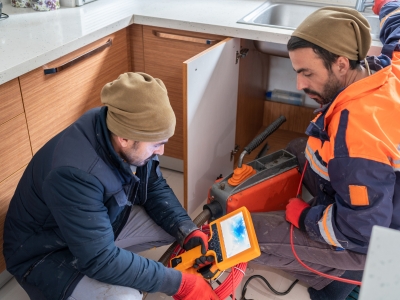 We use advanced camera inspections to look inside your pipes without tearing up your floors or walls. For stubborn blockages, we offer hydro-jetting that safely clears out grease, roots, and debris without damaging your plumbing.
Plus, our friendly, licensed technicians explain everything clearly, no jargon, no pressure, just honest advice and top-tier service.
Final Thoughts: Know Your System, Protect Your Home
 Your home’s drainage system may be out of sight, but it shouldn’t be out of mind. Knowing how it works gives you the power to act early, avoid costly repairs, and keep your household running smoothly.
And when something does go wrong? Mac 5 Services is just a call away. From quick fixes to complex drainage solutions, we’re here to help protect your home, your time, and your peace of mind.
Need help with your drains?
Contact Mac 5 Services today to schedule an inspection or service visit. We’re here to handle the dirty work, so you don’t have to.