Get A Quote




Why Do Some Palm Bay Homes Struggle to Stay Cool During Florida Heat Waves?
Proudly Serving Orlando, Brevard County and Indian River County.
schedule service today in minutes!
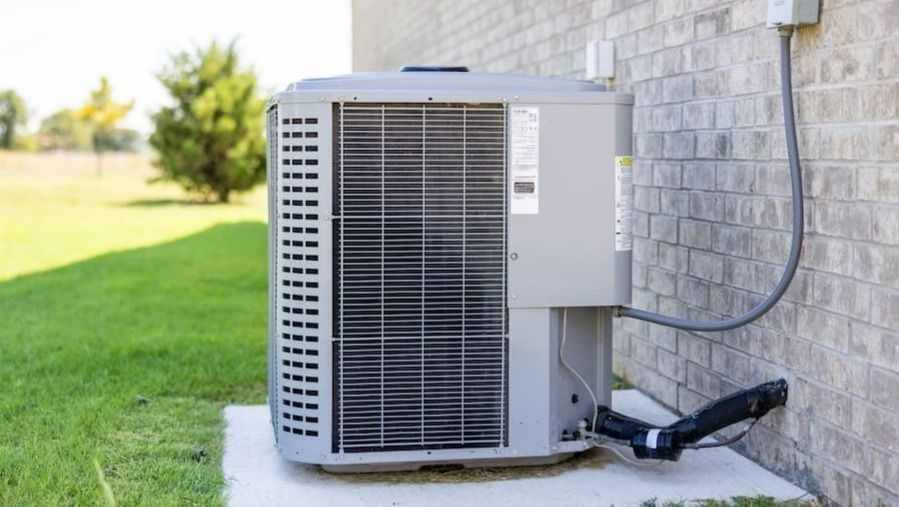
When a Palm Bay home struggles to stay cool during a Florida heat wave, the problem is often bigger than the AC itself. Attic heat, leaky ductwork, poor insulation, high humidity, dirty coils, airflow restrictions, and deferred maintenance can all make a home feel warmer and force the system to run longer without delivering enough comfort.
Some homes feel comfortable until the first real heat wave hits. Then the AC starts running almost nonstop, certain rooms stay warm all afternoon, and the thermostat never seems to match how the house actually feels.
That is a common problem in Florida, especially in homes where the cooling system is already fighting attic heat, humidity, duct losses, or poor airflow before extreme temperatures arrive. In east-central Florida, long warm seasons and strong summer heat put steady pressure on home cooling systems, which is why small efficiency problems become much more obvious during a heat wave.
In this guide, you will learn why some Palm Bay homes struggle to stay cool during extreme heat, what hidden issues are often driving the problem, and what homeowners should look at before assuming they just need a bigger air conditioner.
Why Do Heat Waves Expose Cooling Problems So Quickly?
During a heat wave, your AC has far less room for error. A system that seemed “good enough” in milder weather may suddenly struggle once outdoor heat and indoor humidity rise at the same time.
That happens because every weakness in the home starts stacking up. If the attic is hot, the ducts leak, the insulation is thin, and the filter is dirty, the system has to work harder at every step just to deliver the same cooling. Heat waves do not always create the underlying problem. They reveal it.
Is the Air Conditioner Always the Real Problem?
Not always.
Many homeowners assume poor cooling means the AC unit is too small or failing. Sometimes that is true, but often the bigger issue is that the house is gaining heat too fast or losing cooled air before it reaches the rooms that need it.
That can happen when:
-
The attic temperatures rise too high
-
Ducts leak into unconditioned spaces
-
Insulation is inadequate
-
Airflow is restricted
-
The system is dirty or overdue for maintenance
-
Indoor humidity stays elevated
In other words, the equipment may be part of the issue, but the home’s overall cooling performance depends on much more than just the outdoor unit.
How Does Attic Heat Make the House Harder to Cool?
A superheated attic can quietly add a major cooling burden to the home. When the attic gets excessively hot, more heat moves downward toward the living space, and any ductwork running through that attic is forced to carry cooled air through a much hotter environment.
That matters because attic insulation and air sealing directly affect how hard your AC has to work. Low insulation levels and attic air leaks make the system work harder, waste energy, and reduce comfort in hot weather. Moisture and ventilation issues in the attic can also make the home overall harder to heat and cool.
Can Leaky Ductwork Make One Room Hotter Than Another?
Yes, and it is one of the most common reasons a house cools unevenly.
If ducts are leaking in an attic, garage, or other unconditioned area, some of the cooled air never reaches the room it is supposed to serve. That can leave bedrooms, bonus rooms, or the back sections of the house warmer than the rest of the house, especially during the hottest part of the day.
Duct losses are not minor. In a typical house, around 20% to 30% of the air moving through the duct system can be lost through leaks, holes, and poor connections, and poorly sealed or uninsulated ducts can add hundreds of dollars a year to energy costs.
Why Does Humidity Make a Home Feel Worse Even When the AC Is Running?
In Florida, comfort is about both temperature and moisture.
When indoor humidity stays high, the air feels heavier and warmer on your skin. That is why a house can technically be cool while still feeling sticky and uncomfortable. If airflow is weak, coils are dirty, or the system is not running efficiently, humidity control often gets worse right when you need it most. Moisture control and attic durability also matter because warm, humid air can move through gaps and unsealed areas in the home.
Does Poor Maintenance Really Make That Big of a Difference?
Absolutely.
Filters, coils, fins, and refrigerant lines all affect how efficiently your air conditioner runs. When those parts are neglected, performance drops and energy use rises. During a heat wave, that loss of efficiency becomes much more obvious because the system is already working near its seasonal peak.
A neglected system is also more likely to show symptoms like:
-
longer run times
-
weak airflow
-
uneven cooling
-
rising utility bills
-
reduced comfort in the afternoon
-
more strain on major components
What looks like “Florida heat” is often a maintenance problem that has been hiding until the hottest week of the year.
Could the Insulation Be the Bigger Issue?
Very possibly.
If attic insulation is too low or uneven, heat transfers more easily into the living space. That means your AC has to remove that added heat over and over throughout the day. In many homes, poor insulation is one of the biggest reasons cooling costs climb while comfort falls.
A simple rule of thumb is that if attic insulation sits at or below the floor joists, additional insulation may be needed. Homes with low attic insulation and air leaks typically waste energy and feel less comfortable in summer conditions.
Why Do Some Homes Feel Fine in the Morning but Struggle by Late Afternoon?
That pattern often points to heat gain rather than just equipment failure.
By late afternoon, the roof, attic, exterior walls, and sun-exposed rooms have had hours to absorb heat. If the home has weak insulation, duct losses, solar gain, or air leakage, those problems usually peak later in the day. That is why some Palm Bay homes seem manageable in the morning but noticeably worse by 3 or 4 p.m., especially during prolonged hot weather. East-central Florida’s warm-season climate makes those afternoon performance gaps more noticeable as summer heat builds.
Does a Bigger AC Solve the Problem?
Not automatically.
If the real issue is duct leakage, attic heat, poor insulation, or airflow restriction, a larger system may still struggle because it is cooling an inefficient home. In some cases, a larger unit can also cause different comfort problems if it cools too fast without addressing humidity effectively.
That is why it is usually smarter to evaluate the full system first:
-
attic insulation
-
attic air leaks
-
duct leakage
-
airflow
-
maintenance condition
-
humidity control
-
overall system performance
The best fix is often to reduce the cooling load and improve delivery, not just increase equipment size.
What Warning Signs Should Homeowners Watch For?
If your home struggles during heat waves, pay attention to signs like:
-
AC running constantly
-
rooms that never seem to cool down enough
-
weak airflow from vents
-
high indoor humidity
-
rising power bills
-
hot upstairs rooms
-
comfort that drops sharply in the afternoon
-
a system that has not been serviced recently
These symptoms often point to airflow, duct, insulation, attic, or maintenance issues that are making the house harder to cool than it should be.
What Usually Makes the Biggest Difference?
In many Palm Bay homes, the biggest improvement comes from addressing the entire cooling system rather than focusing on a single component.
That may include:
-
servicing and cleaning the AC
-
replacing dirty filters
-
sealing leaking ducts
-
improving attic insulation
-
sealing attic air leaks
-
evaluating airflow and room distribution
-
checking whether the current system is actually sized and performing correctly
When these issues are corrected together, homes often cool more evenly, feel less humid, and put less strain on the AC during peak heat.
What This Usually Comes Down To
When a Palm Bay home struggles during a Florida heat wave, these are usually the biggest factors behind it:
-
Hot attics that increase heat gain
-
Leaky ducts that waste cooled air
-
Low or uneven insulation
-
Poor airflow and dirty system components
-
High indoor humidity
-
Deferred maintenance that reduces performance
-
Cooling equipment that may be working harder than the home allows it to
Fix the Cause, Not Just the Symptom
If your home cannot stay comfortable during a Florida heat wave, the issue may be bigger than just the AC unit. In many cases, the real problem is a combination of attic heat, duct losses, insulation gaps, humidity, and reduced system performance.
Mac 5 Services can help identify why your home is struggling to stay cool and recommend the right solution before a small comfort issue turns into a major summer problem. If your Palm Bay home runs hot every time temperatures spike, contact Mac 5 Services to schedule an HVAC evaluation.