Offering Flexible Financing Options



Understanding Outlet Overloading: A Crucial Guide for Home Safety
Proudly Serving Orlando, Brevard County and Indian River County.
schedule service today in minutes!
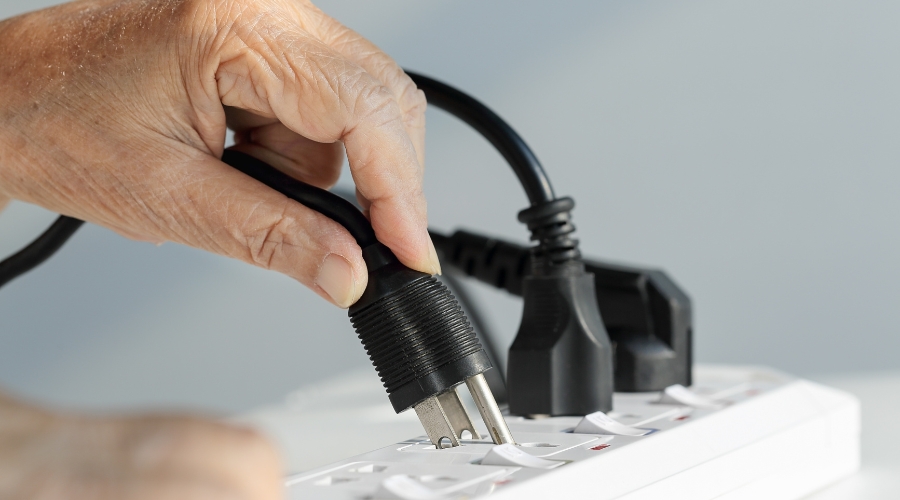
Electricity is a vital part of our everyday lives. From powering kitchen appliances to charging our devices, we rely heavily on a stable electrical supply. However, one of the most overlooked yet biggest hazards in the modern home is outlet overloading. Many homeowners unknowingly put themselves at risk by plugging in too many devices into a single outlet or power strip, leading to potential fire hazards, damaged appliances, and even electrical shocks.
In today’s modern world, where our homes are filled with various electronic gadgets, appliances, and devices, understanding the basics of outlet overloading is crucial. This blog is made to educate homeowners, renters, and businesses on the fundamentals of outlet overloading, how to prevent it, and what to do if you suspect your outlets are at risk.
What is Outlet Overloading?
Outlet overloading occurs when too many electrical devices are plugged into a single outlet or power strip, drawing more power than the circuit can safely handle. Electrical circuits are designed to supply a specific amount of electricity, and when the demand exceeds this limit, overheating and potential fire hazards can occur.
Every circuit in your home has a specific amperage rating, usually 15 or 20 amps. When multiple high-powered devices are connected to the same outlet, the circuit can become overloaded, causing breakers to trip or, in worst-case scenarios, leading to electrical fires.
Why is Outlet Overloading Dangerous?
Outlet overloading is a serious concern because it can lead to:
- Electrical Fires – One of the most severe risks of overloading an outlet is fire. According to the National Fire Protection Association (NFPA), electrical failures or malfunctions are a leading cause of home fires. Overloaded circuits heat up wires, melting insulation and increasing the likelihood of sparks that can ignite surrounding materials. In homes with older wiring, this risk is even greater, as aging insulation may already be fragile.
- Electrical Shocks and Burns – Overloaded outlets can cause sparks, which may result in shocks or burns when plugging or unplugging devices. These shocks can be particularly dangerous in wet areas such as kitchens or bathrooms, where water can conduct electricity more efficiently.
- Appliance Damage – Excessive power draw can cause fluctuations in voltage, which may damage sensitive electronic devices such as computers, televisions, and refrigerators. Over time, this can lead to costly repairs or the need to replace expensive appliances prematurely.
- Tripped Circuit Breakers – A circuit breaker is designed to cut power when an overload occurs. While this is a protective feature, frequent tripping indicates an underlying problem that should not be ignored. If a circuit breaker trips regularly, it is a sign that the electrical load exceeds the system’s capacity and requires professional assessment.
Signs That an Outlet is Overloaded
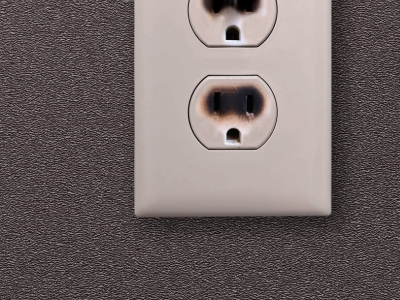 Recognizing the warning signs of an overloaded outlet can help prevent potential hazards. Here are some indicators:
- Flickering or dimming lights when using multiple devices on the same circuit
- Burning smells or a warm outlet plate, indicating overheating
- Frequent circuit breaker trips, meaning the circuit is handling more power than it should
- Buzzing sounds coming from the outlet, a sign of electrical strain
- Discolored or scorched outlet covers, indicating previous overheating issues
- Power strips or extension cords daisy-chained together
How to Prevent Outlet Overloading
Preventing outlet overloading is easier than you might think. Here are some practical tips:
1. Understand Your Home’s Electrical Limits
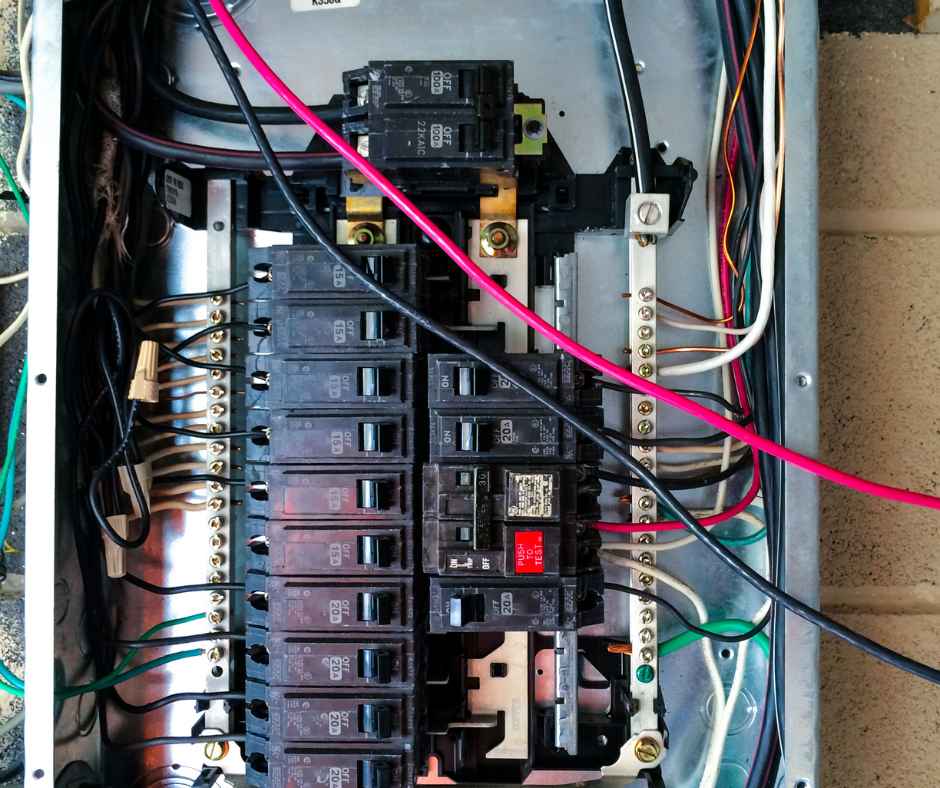
Be aware of how many amps your outlets and circuits can handle. This information is usually found on the breaker panel or home electrical plan. Understanding your home’s electrical system can prevent accidental overloads.
2. Use Power Strips Wisely
While power strips allow multiple devices to be plugged in, they do not increase the total power capacity of the outlet. Avoid using multiple high-wattage appliances on a single strip. Investing in power strips with built-in circuit breakers can provide an extra layer of safety.
3. Unplug Unused Devices
Unplugging appliances and electronics that are not in use reduces the load on an outlet and lowers the risk of overload. This practice can also help reduce energy consumption and lower electricity bills.
4. Upgrade Old Wiring
If your home has outdated wiring, consider upgrading it to meet modern electrical demands. Older homes were not designed to handle the number of devices we use today. Consulting with a licensed electrician can help determine whether rewiring is necessary.
5. Install Additional Outlets
 Instead of overloading a single outlet, have a licensed electrician install additional outlets where needed. This is particularly important in older homes with limited outlets that were built before the age of modern technology.
6. Distribute Electrical Load Across Multiple Outlets
Instead of plugging everything into one outlet, spread out your devices across multiple circuits to balance the power consumption.
7. Upgrade to Higher Amperage Circuits if Necessary
If you find yourself frequently overloading outlets, consider upgrading your home’s electrical system with higher-amperage circuits. This should be done by a licensed electrician.
8. Use Surge Protectors
Surge protectors can help prevent sudden voltage spikes that could damage your devices. However, they do not prevent outlet overloading if the total power demand exceeds the circuit capacity.
9. Invest in Smart Power Strips
Smart power strips can automatically cut power to unused devices, reducing electrical strain and preventing overload.
10. Avoid Daisy-Chaining Power Strips
Plugging one power strip into another (daisy-chaining) is a common but dangerous practice. It significantly increases the risk of overheating and fire. If you need more outlets, consider hiring an electrician to install new ones instead of relying on multiple power strips.
What to Do If You Suspect an Overloaded Outlet
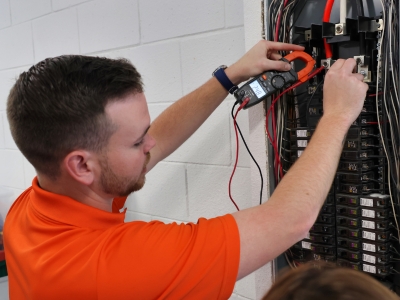 If you suspect an overloaded outlet, follow these steps immediately:
- Unplug Devices – Reduce the load by unplugging some devices from the overloaded outlet.
- Check the Breaker Panel – If the circuit breaker has tripped, reset it after reducing the load.
- Inspect for Damage – Look for burn marks, melted plugs, or damaged wiring. If you notice any, call an electrician.
- Consider an Electrical Inspection – If overloading is a frequent issue, hiring a professional to inspect your home’s electrical system can ensure long-term safety.
Safe Alternatives to Overloading
If you find yourself constantly in need of more outlets, consider these safer alternatives:
- Surge Protectors with Overload Protection – These devices shut off power if an overload is detected, preventing overheating and fire risks. Some models also offer USB ports for safer charging of mobile devices.
- Smart Power Strips – These can detect when a device is in standby mode and cut off power, reducing unnecessary energy consumption and preventing overload.
- Dedicated Circuits – If you frequently use high-wattage appliances like space heaters or microwaves, consider installing dedicated circuits for them. This ensures that high-powered devices do not strain the overall electrical system.
- Wall-Mounted USB Outlets – Instead of using multiple chargers that take up plug space, install wall-mounted USB outlets, which can reduce clutter and free up outlets for other appliances.
Mac 5 is here to help
 Outlet overloading is a common but dangerous issue in many homes and businesses. By understanding how circuits work, recognizing the warning signs, and taking proactive steps to prevent overloading, you can protect your home from electrical fires, shocks, and damaged devices.
Always remember that electricity is powerful and should be handled with caution. When in doubt, seek the advice of a licensed electrician to ensure that your electrical system is safe and up to code.
At Mac 5, we are here for any electrical service needs. If you notice any warning signs of outlet overloading or have concerns about your home’s electrical system, don’t hesitate to give us a call. Keeping your family safe is our top priority!
Stay safe and take charge of your home’s electrical safety today!