Get A Quote




Should Brevard County Homeowners Repair or Replace Their Water Heater?
Proudly Serving Orlando, Brevard County and Indian River County.
schedule service today in minutes!
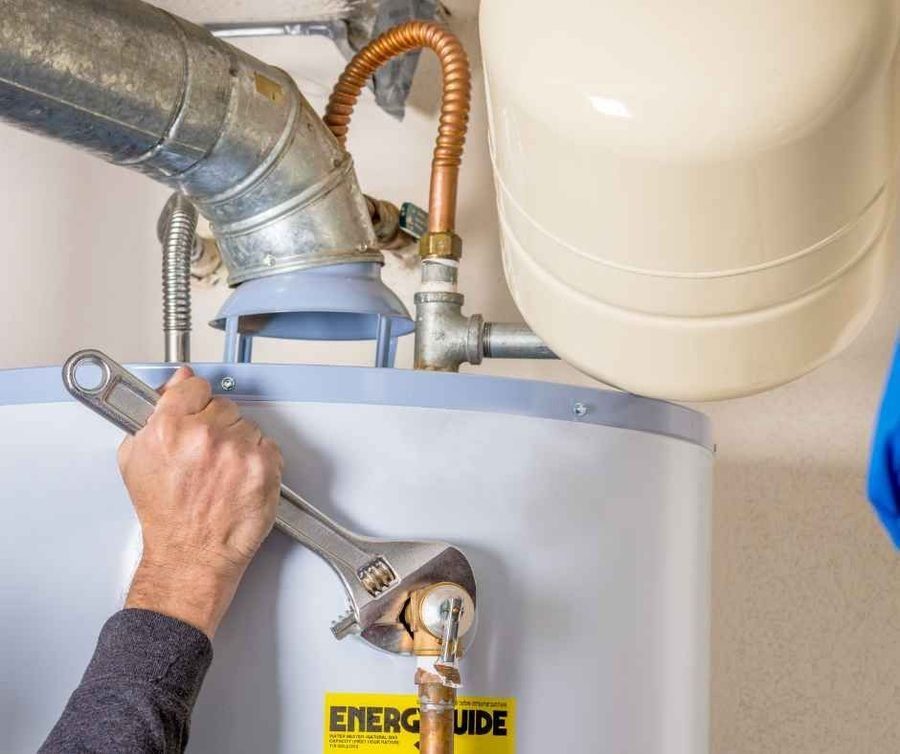
Brevard County homeowners should repair a water heater when the unit is under 8 years old, the issue is minor, and the tank is not leaking or rusted. Replacement is usually the better choice when the water heater is 10 years or older, needs frequent repairs, produces rusty water, makes rumbling noises, or no longer provides enough hot water.
A water heater problem can throw off your entire day. Cold showers, inconsistent hot water, strange noises, leaks, or rusty water are all signs that something is wrong. The harder question is whether your system needs a repair or whether replacement is the smarter long-term move.
For Brevard County homeowners, this decision is especially important. Florida homes use hot water year-round, and local conditions like humidity, sediment buildup, and heavy household demand can put extra stress on a water heater over time.
In this guide, we’ll explain when water heater repair makes sense, when replacement is the better option, which warning signs to watch for, and how to make the right choice for your home.
How Long Does a Water Heater Usually Last?
Most traditional tank water heaters last about 8 to 12 years. Some last longer with regular maintenance, while others fail earlier because of corrosion, mineral buildup, heavy use, or poor installation conditions.
Tankless water heaters can last longer than standard tank models, but they still need routine service. No system lasts forever, so age is one of the first things to consider when deciding whether to repair or replace your water heater.
A general rule for homeowners:
-
Under 8 years old: Repair may be worthwhile if the issue is minor.
-
8 to 10 years old: The decision depends on condition, repair cost, and performance.
-
10 years or older: Replacement is often the better long-term option.
-
12 years or older: Replacement should be strongly considered, especially if the system is unreliable.
If you do not know your water heater’s age, check the manufacturer’s label on the tank. A licensed plumber can also identify the age and inspect the system.
When Should You Repair Your Water Heater?
Water heater repair usually makes sense when the system is still fairly new, the issue is isolated, and the tank itself is in good condition. A single failed part does not always mean the whole unit needs to be replaced.
Repair may be the right choice if:
-
The water heater is less than 8 years old.
-
The tank is not leaking.
-
There is no visible rust or corrosion.
-
This is the first major issue.
-
The repair is affordable.
-
The unit still meets your household’s hot water needs.
-
The problem involves a replaceable part.
Common repairable issues include:
-
Faulty thermostat
-
Bad heating element
-
Pilot light issue
-
Ignition problem
-
Tripped breaker
-
Minor valve leak
-
Loose plumbing connection
-
Temperature setting issue
-
Sediment buildup
For example, if an electric water heater stops producing enough hot water due to a faulty heating element, a repair may resolve the issue. If a gas water heater has an ignition issue but the tank is not leaking or rusted, replacement may not be necessary.
The main question is whether the issue is with a replaceable component or with the tank itself.
When Should You Replace Your Water Heater?
Replacement is usually the better choice when the water heater is old, leaking, corroded, inefficient, or repeatedly breaking down. While a repair may cost less upfront, it may not make sense if the system is already near the end of its life.
Replacement may be the smarter option if:
-
The unit is 10 years old or older.
-
The tank is leaking.
-
Hot water looks rusty or brown.
-
The tank has visible rust.
-
The system makes rumbling, popping, or banging sounds.
-
Hot water runs out faster than it used to.
-
Repairs are becoming frequent.
-
Energy bills are increasing.
-
The unit is too small for your household.
-
You want a more efficient water heater.
A leaking tank is one of the clearest signs that replacement is needed. If the leak is coming from a valve, fitting, or nearby pipe, repair may be possible. But if the tank itself is leaking, replacement is usually the only reliable solution.
Rust is another major warning sign. Once corrosion starts inside the tank, it usually gets worse over time. Rusty hot water, visible corrosion, or moisture around the base can all point to a system that is close to failure.
Is a Leaking Water Heater Always a Replacement Issue?
Not always. The location of the leak matters.
A plumber may be able to repair leaks from:
-
A loose water connection
-
A drain valve
-
A temperature and pressure relief valve
-
A pipe fitting
-
A nearby plumbing line
-
Condensation mistaken for a leak
Replacement is more likely needed when:
-
Water is leaking from the bottom of the tank.
-
The tank is rusted.
-
Water keeps pooling around the unit.
-
The leak returns after repairs.
-
The water heater is already old.
-
There are other signs of failure.
Even a small leak should be inspected quickly. Water around a water heater can damage flooring, drywall, cabinets, baseboards, and nearby belongings.
What Does Rusty or Discolored Hot Water Mean?
Rusty or brown hot water can be a sign of corrosion inside the water heater. If the discoloration only happens when using hot water, the water heater may be the source. If both hot and cold water are discolored, the issue may involve plumbing lines or the water supply.
Rusty hot water may be caused by:
-
Corrosion inside the tank
-
A failing anode rod
-
Sediment buildup
-
Older plumbing pipes
-
Mineral deposits
-
Water quality issues
If the issue is caught early, replacing the anode rod may help protect the tank. But if corrosion has already damaged the inside of the water heater, replacement may be the better option.
Why Is My Water Heater Making Rumbling or Popping Sounds?
Rumbling, popping, or banging sounds often come from sediment buildup inside the tank. Over time, minerals can settle at the bottom. As the water heater runs, trapped water beneath the sediment can create noise.
These sounds may mean:
-
Sediment has hardened inside the tank.
-
The system is working harder than normal.
-
The water heater is losing efficiency.
-
The tank has not been flushed regularly.
-
The unit may be nearing the end of its lifespan.
If the water heater is newer, maintenance may help. If it is older and making noise along with other warning signs, replacement may be the better choice.
Should You Repair an Older Water Heater?
An older water heater can sometimes be repaired, but the decision should be made carefully. Spending money on a major repair for a system that may fail again soon is usually not the best investment.
Before repairing an older water heater, ask:
-
How old is the unit?
-
Has it needed repairs before?
-
Is the tank leaking?
-
Is there visible rust?
-
Does it still provide enough hot water?
-
Is the repair minor or expensive?
-
Would replacement improve efficiency?
-
Is the current unit the right size for the home?
If the repair is minor and the system is otherwise reliable, it may be reasonable. If the water heater is 10 years old or older and the repair is costly, replacement usually makes more sense.
How Do Brevard County Conditions Affect Water Heaters?
Brevard County homes can be tough on water heaters. Warm weather, humidity, mineral buildup, garage installations, and year-round hot water use can all affect performance over time.
Local conditions that may impact your system include:
-
High humidity
-
Sediment buildup
-
Mineral-heavy water
-
Frequent hot water use
-
Garage heat
-
Corrosion around fittings
-
Moisture near the tank
-
Storm-related power issues
These conditions make regular inspections and maintenance important. A small issue can turn into a larger plumbing problem if it is ignored.
Should You Switch From a Tank to a Tankless Water Heater?
If replacement is the right choice, you may want to consider whether a tankless water heater is a good fit for your home.
A tankless system may be a good fit if:
-
You want hot water on demand.
-
You want to save space.
-
Your household has a high hot water demand.
-
You prefer not to store heated water in a tank.
-
You want a longer-lasting system.
A traditional tank system may be a better fit if:
-
You want a lower upfront cost.
-
Your current setup works well.
-
You want a simpler replacement.
-
Your home does not need a major upgrade.
-
Your budget is the main priority.
Tankless systems must be sized correctly. If the unit is too small, it may struggle to provide hot water to multiple fixtures at the same time.
How Can Homeowners Decide Between Repair and Replacement?
Repair may be best if:
-
The unit is less than 8 years old.
-
The tank is not leaking.
-
There is no rust or corrosion.
-
The problem is minor.
-
This is the first repair issue.
-
The system still provides enough hot water.
-
The repair cost is reasonable.
Replace may be best if:
-
The unit is 10 years old or older.
-
The tank is leaking.
-
Hot water is rusty or brown.
-
The unit makes loud noises.
-
Repairs are becoming frequent.
-
Hot water runs out too quickly.
-
Energy bills are rising.
-
The unit is too small for your household.
Schedule Water Heater Service Before a Small Problem Gets Worse
For Brevard County homeowners, the decision to repair or replace a water heater usually comes down to age, condition, repair cost, and reliability. A newer unit with a minor issue may only need a repair, while an older, leaking, rusty, or unreliable system is often better replaced before it causes water damage or leaves your home without hot water.
If your water heater is leaking, making noise, producing rusty water, or struggling to keep up, Mac 5 Services can help you make the right call. Schedule water heater service today and get dependable hot water, clear recommendations, and a solution that fits your Brevard County home.