Get A Quote




When Do Melbourne Homes Need an Electrical Panel Upgrade?
Proudly Serving Orlando, Brevard County and Indian River County.
schedule service today in minutes!
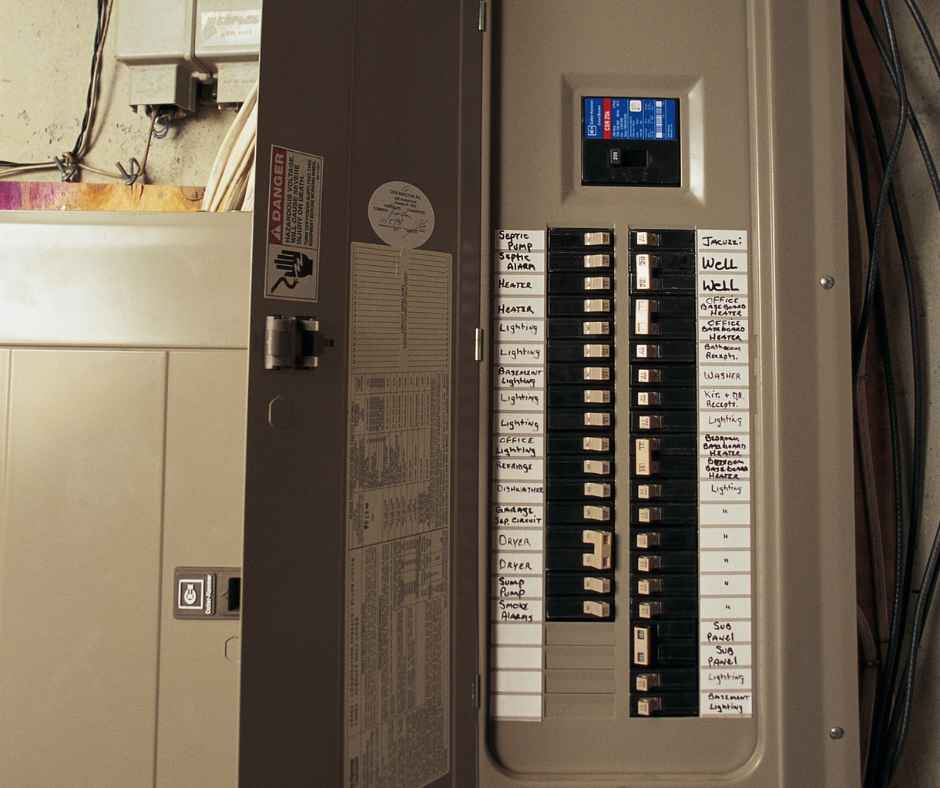
Melbourne homes may need an electrical panel upgrade when breakers trip often, lights flicker, outlets feel warm, the panel is outdated, or the home is adding high-demand equipment like EV chargers, HVAC systems, pool equipment, or major appliances. An upgraded panel can improve safety, support modern electrical loads, and help prevent overloaded circuits.
Your electrical panel is the control center for your home’s power. It distributes electricity to lights, outlets, appliances, HVAC equipment, and major systems throughout the house. When the panel is outdated or overloaded, the entire home can feel the effects.
In this guide, we will explain when Melbourne homeowners should consider an electrical panel upgrade, what warning signs to watch for, and how Mac 5 Services can help you decide whether your current panel is still safe for your home’s needs.
Why Electrical Panel Capacity Matters in Melbourne Homes
Modern homes use more electricity than older panels were designed to handle. Between air conditioning, kitchen appliances, smart devices, home offices, security systems, pool equipment, and EV charging, today’s electrical demand can add up quickly.
In Melbourne, electrical panels may also face extra stress from:
- Long cooling seasons
- High humidity
- Storm activity
- Older coastal-area homes
- Pool pumps and outdoor equipment
- Home additions
- Garage conversions
- Upgraded HVAC systems
- EV chargers
- Backup power systems
- Modern appliance loads
An older panel may still turn the lights on, but that does not always mean it is ready for the way your home uses electricity today.
What Does an Electrical Panel Do?
Your electrical panel receives power from the utility and sends it through circuits around your home. Each circuit is protected by a breaker. If a circuit becomes overloaded or unsafe, the breaker is designed to trip and shut off power to that area.
A properly functioning panel helps protect the home from:
- Overloaded circuits
- Electrical overheating
- Unsafe power distribution
- Short circuits
- Damaged wiring
- Fire risks
- Equipment damage
When a panel is too small, outdated, damaged, or improperly installed, it may not protect the home as well as it should. That is when an upgrade may be needed.
Signs Your Melbourne Home May Need a Panel Upgrade
Electrical panel problems are not always obvious. Some warning signs appear as minor annoyances before they become serious safety concerns.
Call an electrician if you notice:
- Breakers trip frequently
- Lights flicker or dim
- Outlets feel warm
- Switch plates are discolored
- A burning smell near the panel or outlets
- Buzzing or crackling sounds
- The panel feels warm
- Breakers will not reset
- You rely on extension cords often
- Appliances struggle to run at the same time
- The panel is rusty or corroded
- The panel is old or poorly labeled
- You still have a fuse box
- You are planning a major electrical upgrade
Any burning smell, buzzing sound, warmth, or visible scorching should be treated seriously. Stop using the affected circuit and call a licensed electrician.
Frequent Breaker Trips Are a Red Flag
A breaker that trips once may be responding to a temporary overload. A breaker that trips repeatedly is telling you the circuit has a problem.
Repeated breaker trips may be caused by:
- Too many devices on one circuit
- An overloaded electrical panel
- Faulty wiring
- A failing breaker
- A short circuit
- Ground fault issues
- A major appliance drawing too much power
- Outdated circuits that no longer meet demand
Resetting the breaker repeatedly does not solve the problem. It only restores power until the issue happens again. If a breaker trips often, the system needs to be inspected.
Your Panel May Be Too Small for Modern Electrical Loads
Many older homes were built before today’s electrical habits became normal. A panel that once handled basic lighting and appliances may now be expected to support central air conditioning, multiple refrigerators, entertainment systems, computers, laundry equipment, outdoor lighting, and charging stations.
You may need more capacity if you are adding:
- EV charger
- New HVAC system
- Tankless water heater
- Pool pump or pool heater
- Hot tub
- Outdoor kitchen
- Major kitchen appliances
- Workshop equipment
- Home addition
- Garage conversion
- Backup generator or transfer switch
- Solar equipment
- Whole-home surge protection
Adding high-demand equipment without checking panel capacity can overload the system. A professional load calculation helps determine whether your current panel can safely support the upgrade.
Older Panels Can Create Safety Concerns
Age alone does not automatically mean a panel must be replaced. However, older panels are more likely to have worn parts, outdated capacity, poor labeling, corrosion, or past repairs that do not meet current needs.
Older electrical panels may have:
- Worn breakers
- Loose connections
- Corrosion
- Heat damage
- Limited available breaker space
- Outdated grounding
- Undersized service capacity
- Poor labeling
- Mixed breaker brands
- Previous DIY modifications
- Limited compatibility with modern safety devices
If you recently bought an older Melbourne home, a panel inspection is a smart step. It can help identify hidden issues before you invest in renovations, appliances, or HVAC upgrades.
Humidity, Storms, and Coastal Conditions Can Affect Panels
Melbourne homes can experience weather conditions that are tough on electrical equipment. Humidity, salt air in coastal areas, heavy rain, and storm-related surges can all affect electrical components over time.
Weather and moisture can contribute to:
- Rust inside or around the panel
- Corroded connections
- Breaker failure
- Moisture intrusion
- Electrical arcing
- Outdoor panel wear
- Surge damage
- Poor performance after storms
If your panel is located in a garage, exterior area, utility room, or humid space, it should be checked for corrosion and moisture concerns. Rust near electrical components is never something to ignore.
Flickering Lights and Dimming Power
Lights that flicker occasionally during a storm may not always mean the panel is failing. But lights that flicker regularly, dim when appliances start, or change brightness in multiple rooms can point to a bigger electrical issue.
Possible causes include:
- Loose wiring
- Overloaded circuits
- Poor panel connections
- Undersized service
- Failing breakers
- Utility-side issues
- Large appliances drawing power from weak circuits
If the flickering affects multiple rooms or happens when major equipment turns on, schedule an electrical inspection. The panel may need repair, circuit upgrades, or replacement.
Not Enough Breaker Space
A crowded electrical panel is another reason to consider an upgrade. If every breaker space is already filled, there may not be room for future circuits. In some homes, past additions may have been handled with shortcuts that are not ideal.
Signs of limited panel space include:
- No open breaker slots
- Tandem breakers used heavily
- Poor or confusing labeling
- Circuits that serve too many rooms
- Extension cords used because outlets are limited
- Planned upgrades that cannot be supported
A panel upgrade can provide more space for dedicated circuits, safer distribution, and future electrical needs.
Repair vs. Upgrade: How to Decide
Not every electrical panel issue requires a full replacement. Sometimes, a repair, breaker replacement, or circuit correction is enough. Other times, upgrading the panel is safer and more practical.
Repair may make sense if:
- The panel is newer
- The issue is limited to one breaker
- There is no corrosion or heat damage
- Capacity is adequate
- Wiring is in good condition
- The problem is isolated
A panel upgrade may be better if:
- The panel is outdated
- Breakers trip often
- The panel is full
- You need more capacity
- There is rust or corrosion
- You are adding major electrical loads
- The home still has a fuse box
- There are signs of overheating
- You want improved safety and reliability
A licensed electrician can inspect the panel and explain whether repair or replacement is the right solution.
What Happens During an Electrical Panel Upgrade?
An electrical panel upgrade replaces the old panel with a modern one that better supports the home’s electrical needs. The process should always be handled by a licensed professional.
A panel upgrade may involve:
- Inspecting the current electrical system
- Calculating the home’s electrical load
- Selecting the right panel size
- Coordinating required permits
- Replacing the old panel
- Updating breakers
- Improving labeling
- Checking grounding and bonding
- Testing circuits
- Verifying safe operation
Depending on the home, additional electrical work may be needed. This can include service upgrades, new circuits, surge protection, grounding improvements, or repairs to damaged wiring.
Benefits of Upgrading Your Electrical Panel
A panel upgrade is not just about adding capacity. It can improve safety, reliability, and long-term flexibility.
Benefits may include:
- Fewer nuisance breaker trips
- Better support for modern appliances
- More room for future circuits
- Safer electrical distribution
- Reduced overload risk
- Improved home resale appeal
- Better support for HVAC upgrades
- Ability to add EV charging
- Cleaner circuit labeling
- Greater confidence in older homes
If you are planning renovations or major equipment upgrades, the panel should be part of the conversation early.
When Should You Schedule a Panel Inspection?
A panel inspection is a smart idea when you notice warning signs or when your home’s electrical demands are changing.
Schedule an inspection if:
- Your home is older
- Breakers trip often
- Lights flicker regularly
- You smell burning
- The panel is rusty
- You are adding an EV charger
- You are installing a new HVAC system
- You are remodeling
- You are adding a pool, hot tub, or outdoor kitchen
- You are buying or selling a home
- The panel has not been inspected in years
Electrical issues are easier and safer to address before they become emergencies.
Call Mac 5 Services for an Electrical Panel Upgrade
Call Mac 5 Services if your Melbourne home has frequent breaker trips, flickering lights, warm outlets, rust near the panel, limited breaker space, or plans for high-demand upgrades like EV charging, HVAC replacement, pool equipment, or major appliances. These signs may mean your current panel is no longer meeting your home’s electrical needs.
An electrical panel upgrade can help protect your home, support modern power demands, and reduce the risk of overloaded circuits. For electrical panel inspections, repairs, upgrades, and whole-home service in Melbourne, contact Mac 5 Services today. Our team can evaluate your panel, explain your options, and help keep your home powered safely.