Get A Quote




Why the Same Drain Keeps Clogging Even After It Has Been Professionally Cleared
Proudly Serving Orlando, Brevard County and Indian River County.
schedule service today in minutes!
A professional drain cleaning should restore normal flow, but sometimes the same sink, shower, toilet, or main drain begins slowing down again soon after service. When that happens, the problem may be more complicated than a one-time blockage.
The original clog may have been cleared while grease, roots, pipe damage, poor drainage, or another underlying issue remained. In other cases, new debris may be collecting in the same vulnerable section of pipe.
In this guide, we will explain why a drain can clog again after professional cleaning, what recurring blockages may reveal about your plumbing, and when repair may be a better solution than another cleaning.
Why a Drain Can Clog Again After Professional Cleaning
Drain cleaning is designed to remove an obstruction and restore water flow. It does not automatically correct every condition that contributed to the blockage.
A drain may clog again because of:
-
Buildup left along the pipe walls
-
A cracked or corroded pipe
-
Tree root intrusion
-
A sagging section of drain line
-
Improper pipe slope
-
A blockage farther down the system
-
Repeated disposal of clog-forming materials
-
A cleaning method that did not match the problem
If the clog returns quickly, the plumbing system should be evaluated more closely instead of repeatedly treating the same symptom.
The Original Blockage May Not Have Been Fully Removed
Some drain cleaning methods create an opening through the clog without removing everything inside the pipe.
A mechanical snake may break apart or pull out enough material to restore flow. However, grease, soap residue, sludge, or mineral buildup may still coat the interior walls.
That remaining material creates a rough, narrow surface that catches new debris. Water may drain normally for a short time, then gradually slow as the opening becomes restricted again.
This is especially common in kitchen lines where grease and food particles have built up over several years.
A more thorough cleaning method or camera inspection may be needed when the drain keeps clogging after basic snaking.
Grease, Soap, Hair, and Debris May Be Building Up Again
A professionally cleared drain can clog again if the same materials continue entering the plumbing.
Common contributors include:
-
Cooking grease and oil
-
Coffee grounds
-
Rice, pasta, and starchy food
-
Fibrous vegetable scraps
-
Hair
-
Soap scum
-
Wipes
-
Paper towels
-
Hygiene products
-
Excess toilet paper
-
Mineral deposits
Grease is especially difficult because it may enter a kitchen drain as a liquid and harden farther down the pipe. Food waste and other debris then stick to the coating.
In bathrooms, hair combines with soap residue and personal care products to create dense blockages.
Good drain habits can reduce future buildup, but they will not correct a damaged or poorly installed pipe.
The Pipe May Be Damaged or Misaligned
A recurring clog may be caused by the condition of the drain line rather than the material being sent through it.
Structural problems can include:
-
Cracked pipe walls
-
Corrosion
-
Separated joints
-
Rough interior surfaces
-
Collapsed sections
-
Offset connections
-
Bellied or sagging pipes
A bellied pipe has a low section where wastewater and solids collect instead of continuing toward the sewer or septic system. Cleaning may remove the immediate blockage, but waste can begin settling in the same area again.
Corroded cast iron or other aging pipe materials may also develop rough interiors that repeatedly catch debris.
When structural damage is present, another cleaning may provide only temporary relief.
Tree Roots May Be Growing Back Into the Line
Tree roots are a common cause of recurring main sewer line clogs.
Roots are attracted to moisture and may enter through:
-
Cracks
-
Loose joints
-
Deteriorated seals
-
Corroded sections
-
Previous repair areas
Mechanical root cutting can reopen the line, but it does not seal the entry point. Roots that remain near the pipe can grow back through the same opening.
Repeated root intrusion usually means the sewer line has a structural defect that needs to be evaluated.
Depending on the damage, the long-term solution may involve spot repair, pipe lining, pipe bursting, or traditional replacement.
The Drain Line May Have the Wrong Slope
Drainpipes need the correct slope to move wastewater efficiently.
If the pipe is too flat, water may move slowly and leave solids behind. If the slope is too steep, water may move ahead of heavier waste, allowing material to collect.
Improper slope may result from:
-
Poor original installation
-
Remodeling
-
Ground settling
-
Inadequate pipe support
-
Shifting soil
-
A sagging drain line
This problem cannot be corrected with drain cleaning alone. The affected section may need to be repositioned or replaced.
A Venting Problem Could Be Affecting Drainage
Plumbing vents allow air into the drainage system so wastewater can flow properly.
A blocked or poorly designed vent may cause:
-
Slow drains
-
Gurgling sounds
-
Bubbling toilets
-
Water level changes in traps
-
Sewage odors
-
Repeated drainage problems
Leaves, debris, animal nests, or installation issues can interfere with venting.
Venting problems can resemble a clog, but cleaning the drain line may not provide lasting improvement if air cannot move through the system correctly.
A plumber can determine whether the problem is inside the drain line or connected to the vent system.
The Clog May Be Farther Down the Main Line
The affected fixture may not be where the actual blockage is located.
A local drain cleaning can improve one sink or shower while a deeper obstruction remains in the main drain or sewer line.
Signs of a larger blockage include:
-
Several slow drains
-
Toilets that gurgle
-
Water rising in a tub when a toilet is flushed
-
Backups in lower-level drains
-
Sewage odors
-
Problems that worsen when the washing machine runs
-
Repeated whole-home drainage issues
A main line blockage may be caused by roots, grease, wipes, damaged pipe, or heavy buildup.
If several fixtures are affected, a camera inspection may be more useful than repeatedly clearing one drain.
Why the Cleaning Method Matters
Different types of clogs require different cleaning methods.
Common options include:
-
Mechanical snaking: Breaks through or retrieves an obstruction.
-
Augering: Uses a flexible cable to reach deeper blockages.
-
Root cutting: Removes root growth from a sewer line.
-
Hydro jetting: Uses high-pressure water to clean buildup from pipe walls.
-
Camera inspection: Identifies damage, roots, bellies, and remaining debris.
A small hair clog near a bathroom drain may respond well to a snake. A kitchen line coated with grease may need more thorough cleaning.
A root-filled sewer line may need cutting first, followed by an inspection to determine how the roots entered.
The best method depends on the pipe material, condition, location, and cause of the blockage.
When Hydro Jetting May Be More Effective
Hydro jetting may be recommended when the pipe contains widespread buildup rather than one solid obstruction.
High-pressure water can remove:
-
Grease
-
Soap residue
-
Sludge
-
Mineral deposits
-
Food waste
-
Some root material
Because hydro jetting cleans more of the pipe wall, it may provide better results than simply creating a small opening through the clog.
However, it is not appropriate for every drain. Older, cracked, corroded, or severely weakened pipes should be inspected before high-pressure cleaning.
Using the wrong method on damaged plumbing can make an existing problem worse.
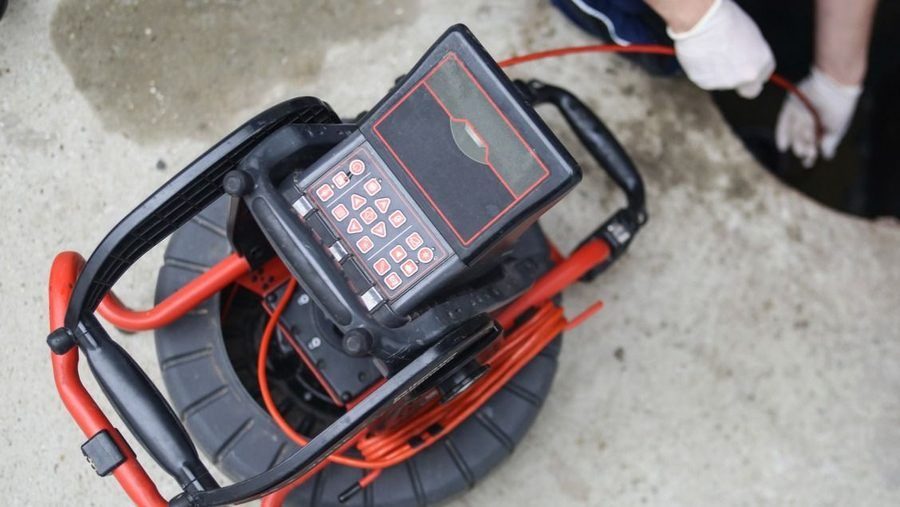
Why a Sewer Camera Inspection May Be Needed
When the same drain keeps clogging, a camera inspection can show why.
The camera may reveal:
-
Leftover buildup
-
Root intrusion
-
Cracks
-
Corrosion
-
Separated joints
-
Bellied sections
-
Foreign objects
-
Partial collapse
-
Poor previous repairs
The inspection can also identify the exact location and length of the problem.
This information helps determine whether another cleaning is likely to provide lasting results or whether the drain line needs repair.
Without a camera inspection, repeated clogs may continue to be treated without addressing the cause.
Could the Problem Be What Is Going Down the Drain?
Household habits can recreate clogs even after professional service.
To reduce buildup:
-
Keep grease and oil out of sinks
-
Scrape food into the trash
-
Avoid putting coffee grounds down the drain
-
Use drain screens to catch hair
-
Do not flush wipes
-
Limit fibrous food in the garbage disposal
-
Run enough water while using the disposal
-
Clean removable drain stoppers
-
Address slow drainage early
These habits are preventive, not corrective. If the pipe has roots, corrosion, poor slope, or structural damage, careful drain use alone will not solve the problem.
When Drain Repair Is Better Than Another Cleaning
Another cleaning may not be the best investment when the problem is structural.
Drain or sewer line repair may be needed when:
-
The clog returns soon after service
-
Roots repeatedly enter the line
-
The camera shows cracks or corrosion
-
A pipe section has collapsed
-
A severe belly holds wastewater
-
Joints have separated
-
Several repairs have already been attempted
-
Drainage remains poor after thorough cleaning
A spot repair may solve one isolated area. More widespread damage may require partial replacement, trenchless repair, or excavation.
The goal should be to correct the condition causing the clog, not repeatedly reopen the same restricted section.
How to Reduce the Risk of Another Clog
A few preventive steps can protect a drain after cleaning:
-
Use strainers in sinks and showers
-
Dispose of grease in the trash
-
Avoid flushing wipes and hygiene products
-
Watch for changes in drainage speed
-
Schedule service before a complete backup occurs
-
Follow recommended maintenance after root removal
-
Request a camera inspection for recurring clogs
-
Repair confirmed pipe damage
-
Keep records of previous drain service
Recurring clogs should become less frequent after the real cause is addressed. If the same problem continues, the plumbing may need a different type of service.
Questions to Ask After a Recurring Drain Clog
Ask the plumbing company:
-
What caused the blockage?
-
Was the full obstruction removed?
-
Which cleaning method was used?
-
Is there buildup along the pipe walls?
-
Could tree roots be involved?
-
Does the pipe show cracks or corrosion?
-
Is the line properly sloped?
-
Is the problem isolated or in the main line?
-
Would hydro jetting be appropriate?
-
Is a camera inspection recommended?
-
Does the pipe need repair?
-
How can I reduce the chance of another clog?
Clear answers can help you understand whether the service restored flow temporarily or addressed the underlying problem.
Stop Treating the Same Drain Clog Over and Over
A drain that keeps clogging after professional cleaning may have leftover buildup, repeated debris, tree root intrusion, poor slope, venting trouble, or structural pipe damage. Another cleaning may help, but it may not provide lasting results if the underlying condition remains.
Mac 5 Services can inspect your drain line, identify why the blockage keeps returning, and recommend the right cleaning or repair solution. If the same drain is slowing down or backing up again, contact us today to schedule professional plumbing service.