Get A Quote




Surge Protection After a Storm: Why Florida Homes Need Whole-House Protection, Not Just Power Strips
Proudly Serving Orlando, Brevard County and Indian River County.
schedule service today in minutes!
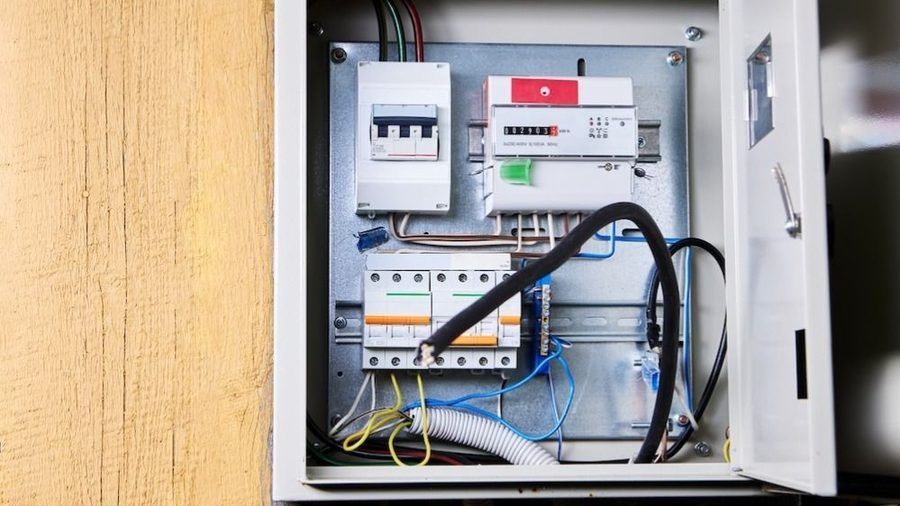
Florida storms can expose a home to sudden voltage changes that damage electronics, appliances, HVAC controls, and other electrical equipment. A plug-in surge protector may help protect a television or computer, but it cannot protect everything connected to the home’s electrical system.
In this guide, you will learn how whole-house surge protection differs from a standard power strip, what it can help protect, and which warning signs to watch for after a storm. Florida experiences frequent thunderstorms and lightning, making electrical surge protection an important part of a broader home safety plan.
Why Are Power Strips Not Enough to Protect an Entire Home?
A power strip only provides protection when it contains surge-protective components and the device is plugged directly into it. Some basic power strips simply add outlets and offer no protection against voltage spikes.
A whole-house surge protective device is installed at or near the home’s electrical service or panel. It helps limit excess voltage before that surge travels farther through the home’s circuits.
Standard plug-in devices generally cannot protect:
-
Central air-conditioning equipment
-
Refrigerators
-
Electric ranges
-
Dishwashers
-
Washers and dryers
-
Water heaters
-
Hardwired lighting
-
Garage door openers
-
Pool and well equipment
-
Smart thermostats
-
Built-in appliance controls
-
Other permanently connected systems
Whole-house protection provides broader coverage, but it does not make every electrical device immune to damage. The strongest approach combines service-level protection, appropriate point-of-use surge protectors, proper grounding, and professional electrical maintenance.
What Causes Power Surges During and After a Florida Storm?
A power surge is a brief increase in voltage. That excess voltage can damage electronic components immediately or contribute to deterioration that becomes noticeable later.
Lightning is one possible cause, but it is not the only source. Surges may also result from:
-
Utility switching
-
Power restoration after an outage
-
Damage to power lines or transformers
-
Electrical faults
-
Sudden changes in the utility supply
-
Large appliances cycling on and off
-
Motors starting or stopping
-
Problems inside the home’s electrical system
A direct lightning strike can produce an extreme electrical event, but nearby lightning may also affect utility and communication lines. Florida’s frequent thunderstorm activity means homes may experience repeated exposure to storm-related electrical disturbances.
Surges can also happen on clear days. An air conditioner, refrigerator compressor, or other motor-driven appliance can create smaller voltage fluctuations as it operates. These internal events may not cause an obvious failure, but sensitive electronic controls can still be affected over time.
How Is a Whole-House Surge Protector Different From a Power Strip?
A whole-house surge protective device and a plug-in surge protector operate at different points in the electrical system.
A whole-house device is typically connected at the main electrical panel or service equipment. When it detects excess voltage, it helps divert or limit that energy before it reaches circuits throughout the home.
A plug-in surge protector is a point-of-use device. It is intended to protect only the equipment connected directly to it.
The main differences include:
-
Coverage: Whole-house protection serves the broader electrical system. A plug-in device covers only connected equipment.
-
Installation: Whole-house devices require proper installation at the panel or service. Plug-in protectors connect to an outlet.
-
Equipment protected: Whole-house devices can help protect hardwired systems and major appliances. Power strips cannot protect equipment that is not plugged into them.
-
Surge capacity: Service-level devices are designed to manage broader incoming surges. Point-of-use devices handle protection closer to individual electronics.
-
Replacement: Both types can wear out after repeated or significant surge events.
Only products designed and labeled as surge protective devices should be expected to provide surge protection. A basic power strip may offer nothing beyond additional receptacles.
What Can Whole-House Surge Protection Help Protect?
Modern homes contain electronic controls in more places than many homeowners realize. Even equipment that appears primarily mechanical may include circuit boards, sensors, variable-speed motors, displays, and connected controls.
Whole-house surge protection can help reduce the risk of damage to:
-
Air conditioners and heat pumps
-
Furnaces and air handlers
-
Refrigerators and freezers
-
Ovens and electric ranges
-
Dishwashers
-
Washing machines and dryers
-
Electric water heaters
-
Smart-home equipment
-
Security systems
-
Garage door openers
-
Lighting controls
-
Pool pumps
-
Well pumps
-
Televisions and computers
-
Outlets and connected devices
HVAC systems can be especially costly to repair after electrical damage. Compressors, motors, thermostats, control boards, and communicating equipment may all be affected by voltage problems.
Whole-house protection may also help reduce stress on electrical components that homeowners do not normally consider, including switches, receptacles, panel components, and hardwired controls. ESFI identifies whole-home protection as covering the home’s electrical system, including large appliances, outlets, and light switches.
Should You Still Use Surge-Protecting Power Strips?
Whole-house protection does not make point-of-use devices unnecessary. The two forms of protection can work together as part of a layered system.
Use listed surge-protecting devices for sensitive equipment such as:
-
Computers
-
Televisions
-
Home theater systems
-
Gaming systems
-
Network equipment
-
Office electronics
-
Charging stations
-
Audio equipment
Check the product label carefully. The terms “power strip” and “surge protector” are sometimes used interchangeably, but they are not the same.
Avoid overloading a strip or using it to power equipment that exceeds its rating. Power strips do not increase the amount of electricity available from the circuit. They only provide additional places to connect devices.
Replace damaged strips immediately. You should also follow manufacturer guidance regarding replacement after a major surge or when an indicator light shows that protection is no longer active.
What Are the Signs That a Surge May Have Damaged Your Home?
Electrical damage is not always obvious immediately after a storm. One device may stop working, while another may continue operating with hidden component damage.
Watch for:
-
Electronics that no longer turn on
-
Appliances that behave unpredictably
-
An AC system that will not start
-
Thermostats or appliance displays that are blank
-
Frequently tripping breakers
-
Flickering lights
-
Dead outlets
-
Buzzing or crackling sounds
-
Burning or melting-plastic odors
-
Discoloration near outlets
-
Damaged plugs or power supplies
-
A whole-house surge protector warning indicator
One failed device does not necessarily mean the entire electrical system is damaged. However, several problems appearing immediately after an outage or storm may indicate a broader electrical event.
Turn off and unplug affected equipment when it is safe to do so. Do not keep resetting a breaker that trips repeatedly.
Burning odors, smoke, sparks, hot outlets, or loud buzzing require prompt attention. Avoid touching damaged equipment and contact a qualified electrician.
Should You Have the Electrical System Inspected After a Major Storm?
Not every thunderstorm requires an electrical inspection. An evaluation becomes more important when the property experiences a nearby lightning event, prolonged outage, flooding, visible electrical damage, or multiple equipment failures.
Schedule professional service when you notice:
-
Repeated breaker trips
-
Several failed appliances
-
Damage near the electrical panel
-
Water around outlets or equipment
-
Burning odors
-
Buzzing or crackling
-
Flickering across multiple circuits
-
A failed surge protector indicator
-
Damaged exterior service equipment
-
HVAC or appliance controls that stopped working after power returned
Do not remove the electrical panel cover to inspect internal components. Hazardous voltage may remain present even when individual breakers are off.
Electrical equipment that has been wet or submerged should remain off until it has been evaluated. Drying the visible surface does not confirm that internal wiring and components are safe.
Where Is a Whole-House Surge Protector Installed?
A whole-house surge protective device is normally installed at the main electrical panel, service equipment, or another approved location near the electrical service.
The exact installation depends on:
-
Panel type
-
Service configuration
-
Available breaker spaces
-
Device classification
-
Manufacturer instructions
-
Local electrical requirements
-
Grounding and bonding condition
The 2020 National Electrical Code added a requirement for surge protection at dwelling-unit electrical services. The device must be integral to the service equipment or installed directly adjacent to it, depending on the approved design.
Whole-house surge protection should be installed by a qualified electrician. Proper placement and connection affect how effectively the device responds to excess voltage.
An electrician can also inspect the panel, grounding, bonding, service conductors, and available space before recommending a device.
Can a Whole-House Surge Protector Stop Every Type of Storm Damage?
No surge protector can guarantee complete protection from every electrical event. A direct lightning strike can involve more energy than a typical surge protective device is designed to manage.
Whole-house surge protection also does not replace:
-
Proper grounding and bonding
-
Safe electrical wiring
-
Panel repairs
-
Lightning protection systems
-
Generator transfer equipment
-
Protection for cable and communication lines
-
Storm preparation
-
Replacement of damaged appliances
A complete lightning protection system serves a different purpose. It is designed to provide a controlled path for lightning energy and involves more than installing a surge protector at the electrical panel.
Homeowners should think of whole-house protection as risk reduction rather than a guarantee. It can help limit many common surges, but the electrical system still needs proper maintenance and installation.
How Do You Know When a Surge Protector Needs Attention?
Surge protective devices do not last forever. Their protective components may deteriorate after repeated surges or a significant electrical event.
Many whole-house devices include a status light or other indicator. Check it according to the manufacturer’s instructions and arrange service when it shows that protection is no longer active.
An electrician should evaluate the device when:
-
Its indicator light changes or turns off
-
A major surge has occurred
-
Several appliances were damaged
-
The electrical panel is being repaired or replaced
-
Water entered the panel area
-
The device shows heat or physical damage
-
You do not know when it was installed
Do not open the panel or attempt to replace the device yourself. Installation and testing involve energized electrical equipment.
Keep the model information and installation date with your home records. This can make future inspections and replacement easier.
Protect More Than the Devices Plugged Into the Wall
Power strips can be useful for sensitive electronics, but they protect only the equipment connected to them, and basic strips may provide no surge protection at all. They cannot cover your central air conditioner, refrigerator, hardwired lighting, electrical panel, or many other systems that make your home functional.
Whole-house surge protection adds a broader layer of defense at the home’s electrical service. Combined with appropriate point-of-use devices, proper grounding, and professional electrical maintenance, it can help reduce the risk of storm-related damage.
Mac 5 Services provides whole-home surge protector installation and residential electrical services for homeowners across Brevard County and surrounding Central Florida communities. For help evaluating your current protection or installing a surge protective device, contact us today to schedule electrical service.